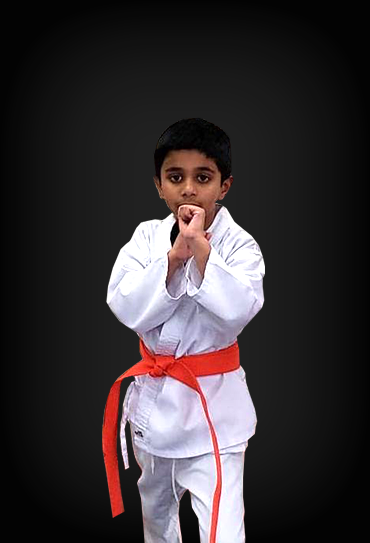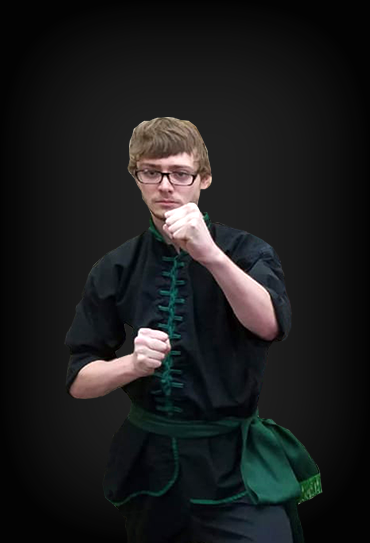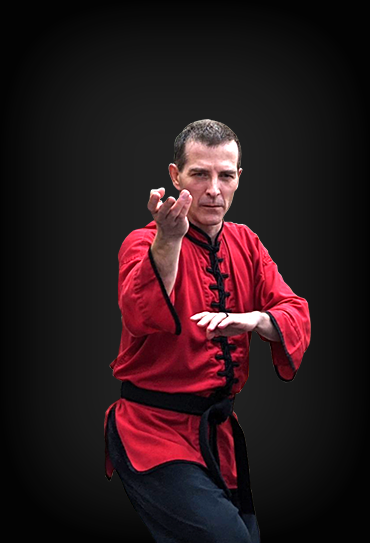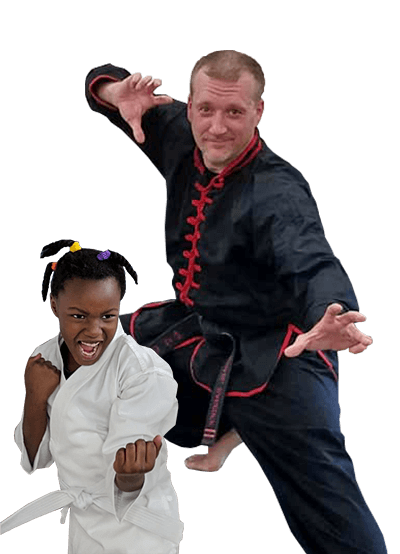
Stress seems to be part of everyone’s daily life. However you don’t have to live with stress. There are a variety of things you can do to break away from life’s burdens. One way is through Martial Arts. The skills that are taught in Martial Arts are very similar to the skills that are taught to relieve stress. Martial Arts involves the ability to balance your body and mind and build up the confidence you need to tackle your stressful lifestyle head on.
Breathing and meditation are a big part of Martial Arts. Through breathing and meditation you are able to control and connect your body and mind. There are a variety of meditation positions: standing, sitting, moving and kneeling. It is important that you find the position that works best for you,.
Some of the breathing techniques include inhaling through your nose and exhaling through your mouth. It is also important that you take deep breaths. In order to assure your breaths are deep enough, place your hand on your stomach. You should be able to feel your stomach pushing out as you breathe.
Stress is a state of mind that builds up and is displayed as physical symptoms. Such symptoms then tell you that you need to do something about the stress. As you become more aware of the stressful triggers and your body, you will be able to avoid such situations. Instead of letting the stress take over your life and body, you can work through the stress with the breathing techniques you learned in Martial Arts.
Kung Fu is another name often associate with Martial Arts. Kung fu does not only encompass self defense, it also encompasses self respect and discipline as well as patience. Therefore Kung Fu is not only a great work out for your body, it is also a great workout for your mind.
In general, when you are in better shape, you are less stressed. Working out with Kung Fu can help get you in better shape. Working out using Kung Fu also helps to relieve stress. Endorphins are released when working out and are a great source to make someone happy. The release of endorphins also helps to lower your blood pressure.
Although today’s lifestyle is often indicative of stress, you do not have to live with it. Martial Arts is a great way to relieve the stress you face on a day to day basis. Martial Arts works not only with your body, but also your mind. Through breathing and mediation you can easily lower your every day stress. So the next time you are dealing with less than perfect life situations, consider giving Martial Arts a chance. Chances are you will find you are in a much better place and without stress after a workout.
Many people come in contact with martial arts first as children, and it can be hard for them to shake the feeling that martial arts is just for kids. Nothing could be further from the truth, however, and as an adult, there are plenty of benefits that you can gain from stepping on the mat and taking a shot at something like tae kwon do, aikido or jujitsu. Plenty of adults take advantage of martial arts classes in their area and you will find that these classes have plenty to offer you.
First and foremost, martial arts will help you develop physically. Rather than being a workout that only focuses on one aspect of your health and physical well being, martial arts takes a more full body wellness approach. You will receive instruction that helps you gain flexibility as well as muscle tone, something that can be very important if you work at an office or spend most of the day in front of a computer! Martial arts is a great way for you to get in shape and stay there.
Martial arts also has an impressive ability to help you maintain your body. Have you been plagued with a yo-yoing weight your whole life? When you work in martial arts, you will be able to maintain your physique. The constant regular workouts will provide you with a routine that you can use to stabilize your weight, something that is very important in terms of staying healthy as you age.
If you are missing a spiritual element in your life, you can find many schools of martial arts that will help you find it. Martial arts is about a wellness of the mind as well as of the body and you will find that there is a great deal that you can discover by working towards both at once. Many martial arts schools emphasize how equally important the body is to the mind and vice versa.
Finally, keep in mind that martial arts can make you a great more confident in the face of the world around you. A good martial arts class will push your physical limits and more often than not, you will find that you are a capable of a great deal more than you thought you were. With the confidence comes a degree of discipline you may not have had before. Martial arts can be demanding in terms of commitment, and the discipline you learn on the mats is something that will be carried through to the rest of your life.
The key is to finding a school that suits you. Unless you are planning to learn along with your child, skip the schools that have children as students; the atmosphere is totally different and whether you are interested in getting in touch with your spirituality or getting a real workout, having children around can change that. Go to a few studios in the area around you and check them out. The atmosphere you get from a school that focuses primarily on going to competitions is very different from the one that works on balance, centering and looking within.
Whether you’re looking for more self-confidence or more control, more flexibility or more strength, there is a good chance that you can find it in a martial arts school!
Kung Fu is a Chinese martial art that mainly focuses on movements and strikes that are inspired by many animals. One of the animals that the Chinese emulated for their beautiful martial art is the White Crane. If you watch a White Crane in nature, you'll notice that it doesn't look very formidable at all. In fact, you're probably thinking that a martial art based on the movements of a bird is quite ineffective. However, the case is quite certainly the opposite. White Crane Kung Fu does emulate the bird it's named after but it's anything but ineffective. A true master of White Crane Kung Fu can defeat an opponent emulated after the most ferocious of creatures.
If you watch a White Crane in nature, it is a very delicate looking creature. Its body is perched atop two spindly legs. It sits completely still in the water, waiting for a fish to go by. When it sees a fish, it strikes, almost faster than the eye can see. Before you know it, it has a flopping fish hanging from its beak.
Lightning Fast Speed
A White Crane Kung Fu master will reveal the same delicate movements. He or she stands very still, waiting for an opening. Then, with lightning fast speed, he or she will strike, just like the crane does a fish. This delicate movement and lightning fast speed is the trademark of White Crane Kung Fu. It's not an easy martial art to master but once it is, the practitioner is a force to be dealt with.
White Crane Kung Fu has been around for centuries and it's quite possible that many of the ancient movements have been lost or forgotten. However, there are still many schools that offer lessons in Kung Fu. These schools offer many different styles such as Tiger, Monkey and even White Crane Kung Fu. These schools are becoming more popular all the time, especially since the release of certain movies that use these styles, such as the Matrix series.
To find a school that offers White Crane Kung Fu, check the local yellow pages or do an internet search. Even if they don't advertise certain styles, call local schools to see if they do, in fact, offer different styles such as White Crane. Once mastered, White Crane is a very beautiful, yet deadly, art. It embraces everything Kung Fu represents and the best part is that you'll have a lot of fun learning it.
Kung Fu is a fighting method practiced for centuries and introduced to the world by China. Kung Fu is a discipline in itself where you need to learn precise movements but also adopt as you go in order to improvise and defeat your opponent. Identifying Kung Fu Styles
There are many Kung Fu styles and they are generally identified by movement, region and environment. There are two main types of Kung Fu styles and they are hard styles, which usually is practiced with hard strikes and soft Kung Fu, which are mostly practiced by the help of movements with which the attention of the opponent is diverted and thus, one can strike. The way in which the fighter moves can also identify the Kung Fu style they are practicing, for example linear Kung Fu style is known when it is practiced by straight line movements and circular Kung Fu style is known when it is practiced by circular motions.
The Change of Kung Fu
Kung Fu has been changed and adopted as needed by the time and era to suit the fighting needs and thus, hundreds of styles were created in the process depending on the region, environment and era when they were practiced.
Initially, Kung Fu was adopted from animal movements and mixed with the high power of meditation and sometimes the capability to read the opponent’s intention. In Kung Fu precision is the most important factor, as most times you will fight with bare hands.
Learn Kung Fu for Self Defense
Kung Fu can be learned today around the world whenever you want in a traditional class or even online and thus, you can be ready to protect yourself always. However, ensure that you learn with a certified instructor so you will learn the right moves and not waste your money and time in the process.
You will learn with time that Kung Fu styles are also adopted by each person in part as you too with time will develop your own moves and techniques which you may find better for your posture, weight and age at this time. Kung Fu has been changed and to fit the required time and era, improved its techniques as well as it developed movements to combat with the modern factors that we find in our world as well.
Start learning Kung Fu and always have peace of mind because you will know that you are safe and who knows you may be the next who will introduce a new Kung Fu style for the next generation to come.
Kung Fu is far from being a discipline that has been newly developed and utilized. Indeed, this practice is an ancient discipline that was only recently introduced to the Western civilization. This introduction was through martial arts movies and was particularly popularized in the West by a Kung Fu expert by the name of Bruce Lee.
Often, this practice is thought of as a means of self defense and its various moves and procedures that could be used in combat situations. All of this is true; however, Kung Fu is more than a sport or method of fighting as depicted in these films and as portrayed by Hollywood.
History of Kung Fu
The roots of Kung Fu are found in China and date well into the era of pre A.D. The ideology of Kung Fu is grounded in a well-rounded approach to life. This well-rounded approach includes the improvement of all phases of the individual as well as techniques that aid in self-preservation or the use of self-defense in combat. Therefore, Kung Fu blends the mental, emotional, spiritual and physical natures of an individual and understands that there are combatant forces within the person as well as those exerted on a person from outward forces. The term Kung Fu literally means "time" and "effort". Therefore one of the basic tenets of this practice refers to any action which is met with a perception that maturity, in all aspects of the human being, is attained through the gift of time. It is important to remember that although this is martial arts and involves self-defense and combat, it is just as much about the building of character and following the right path.
Benefits of Kung Fu
There are many benefits that can be attained by the individual who practices the discipline of Kung Fu. In addition to learning how to defend one's self from possible aggressors, there are some health benefits that can be realize. These health benefits directly affect the mind and spirit of the individual.
To properly practice the discipline of Kung Fu it is important to know that the outward actions are an extension of what is occurring on the inside of the disciple. These inward qualities blend together self-control, focus the mind and energy, increase confidence in one's ability, the use of the power of imagery and provide the enlightenment that all aspects of humanity are interconnected.
In addition, as one continues on their journey of deepening their experience, the individual realizes that their actions and thinking must be expressions of goodness. This course of action is demonstrated because the advanced disciple of Kung Fu realizes that creation is all interconnected. Ultimately, as one grows in their Kung Fu experience, the reality of singleness and oneness becomes the dominating theme.
Learning how to meditate is one of the most difficult, yet ultimately one of the most rewarding practices you can undertake. Although many people initially learn to meditate as a simple way to relax and decrease stress, meditation often becomes a lifelong practice. Take it from me, there is nothing that will enrich you more than learning to meditate.
The most important factor in learning how to meditate is setting up a regular practice. Good breathing is important. Sitting in the right posture is important. But neither of these factors are nearly as important to how to meditate as having a good space and time that is your own. If you want to learn meditation, it is better to practice in the same quiet, solitary location at the same time for 10 minutes each and every day than to practice meditation for three hours once a week. Meditation, after all, is all about regulating and relaxing your thoughts. Before you can learn how to meditate, you need a place where you feel safe, a place that is set aside every day for the sole purpose of meditating.
From there, there are many approaches to how to meditate. For me, I prefer the simple techniques for learning meditation. The very first thing that you must do is learn to focus on your own breath. This may sound simple, but it is not easy. You cannot learn how to meditate until you can learn how to direct your focus inward, and this part alone can take years. Nonetheless, you do not need to master meditation before you start to feel the benefits. They will start almost immediately. Although the rewards of knowing how to meditate are inexpressible, just studying meditation itself will greatly increase the quality of your life. If you want to know how to meditate, it is crucial that you find a teacher.
Meditation books, meditation CDs, and meditation videos can all help you get started, but a teacher is indispensable if you want to make any progress in learning how to meditate. Fortunately, almost every major city has several schools of meditation operating within it. You can learn how to meditate from a student of Buddhist meditation, transcendental meditation, or one of many other schools. Although there is a lot of disagreement about what school is the best, any of them will give you great benefits. From there, it is simply a matter of learning what works for you.
Cyber-bullying even goes beyond the limits of traditional victim/bully relationship. Some cyber-bullies are ex-boyfriends or girlfriends who want to get revenge on their ex. They use technology to stalk, harass and spread rumors about the other person.
When the victim is someone from school, he or she often gets bullied in "real life" in school and then the bully continues it when they get home so the victim rarely gets a break from the torment.
When the bully doesn't even know who the target is, bullying can be especially dangerous when they don't know the background of the person they are harassing.
Why do some people view cyber-bullying as "just a game"? Many children and teens play role-playing games online which involve making up personas and avatars. They easily transfer this concept to instant messaging, chat rooms, and email when they make up names and avatars even though they are talking to real people. To add to this concept, they often feel invisible because it's just a computer and a keyboard and no "real people" to evoke empathy as a result of their actions.
How do cyber-bullies justify their actions? Cyber-bullies use the concept of free speech to justify their actions - they know by law they can say what they want on-line and in text messaging. They simply fail to understand that even though it's legal, it may not be right. They also often feel like they won't get caught so it’s okay or that everyone is doing it, so it's okay.
How do you know if your child is cyber-bullying? If your child spend unusually long hours on the computer, is secretive about his or her internet activity, often closes windows when you approach the computer and begins falling behind on school work.
What can happen to cyber-bullies? Victims of cyber-bullying can find out who is harassing them even when the bullies think they are being anonymous. Most of the time, people leave what is called "cyber footprints" when they surf the internet and that goes for cyber-bullies as well. Even when they make anonymous accounts, experts can trace where they've been and see what they"ve done. Families of victims of cyber-bullying can take legal action against the parents of the cyber-bully. Read Part 3 here.
When we do classes and seminars on bullying, we feel that it's important to let people know who bullies really are and what makes them tick. There is so much more to being a bully than simply being mean to someone else.
Who is a bully? First of all, people who bully are often people who have (often secretly) low self-esteem and they turn to bullying to hide their perceived inadequacies. They do this by pointing out inadequacies in other people and trying to get people to fear them.
Bullies often also look for ways to avoid responsibility for their actions or have simply never been taught that there are consequences to certain actions. Often times they are clever enough to avoid being caught by anyone who might force them to face the consequences.
They also lack empathy which means they are unable to see the true effects of their behavior on other people, such as so-called "mean girls" who use their relationship powers to control, exclude and otherwise torment others in terms of relational issues. In addition, they are good at creating conflict between other people and like to know that they have the "power" to force others into a conflict and then they like to sit back and watch it play out.
Some bullies also often have aggression issues and often don’t have the skills to handle conflict without resorting to this aggression. This often what you see when you think of the typical male bully who "roughs up" those who are physically smaller and weaker than himself.
Other common characteristics of bullies is that they have often been bullied themselves either by a peer or parent (as in different forms of child abuse), they often have poor relationships with their parents or guardians and they are not well supervised by their caregivers. Bullies are often people who have suffered rejection at some point in their lives. They are also more likely to be involved in substance abuse and smoking and are more likely to suffer from depression than their peers who do not bully others.
How are cyber-bullies different than traditional bullies? While traditional bullies are more often males, cyber-bullies are equally male and female. They are often from affluent communities that often have high speed internet access. They can be "real-life" bullies as well, but people who would not bully someone in real life often finds it easy to bully someone in cyberspace, so you find people cyber-bullying that you wouldn't expect to bully another person.
What role does anonymity play in cyber-bullying? Many children and teens feel that the anonymity of the internet is a protective barrier to keep them from being caught. This anonymity gives many children and teens the confidence they need to say and do things they wouldn't dream of doing in real life - and certainly things they'd be embarrassed about if the adults in their life knew they were saying and doing. The issue with the internet is they don't feel like anyone will ever find out so they think it's okay to do.
Along the same lines of anonymity is the concept of "You can't see me, I can't see you." The fact that they cannot see the emotions and reactions of the person they are bullying so they often get out of control or cross lines they wouldn't cross if they could see how their actions actually affect the other person.
What kinds of relationships to cyber-bullies have with their victims? This is a vast and varied characteristic of cyber-bullying. For example, the victim can be a friend or former friend, a school mate, someone they've met on one or a few occasions or a complete stranger that they've met in chat rooms.
What is bullying? Simply said, bullying is abuse. It is often persistent and can include such things as threatening, fault finding, insulting or frightening… anything that abuses power thrives on an imbalance of power. The bully likes to use his or her power to make the victim react.
What are the types of bullying? There are many different types of bulling. The more traditional forms of bullying include physical bullying such as hitting and shoving and threats of physical harm, verbal bullying such as mocking, teasing and name calling and emotional bullying such as exclusion from social groups or events and rumor spreading. The newest form of bullying is cyber-bullying which uses email, instant messages, websites and text messaging, for example, to harass someone in the form of threatening, mocking, teasing, name calling, excluding and rumor spreading.
How is cyber-bullying different than traditional bullying? The biggest different between cyber-bullying and traditional bullying is that the time and place of the bullying changes. In traditional bullying, the victim can usually retreat to his or her house for a reprieve from the harassment. Home is usually a safe-haven. With cyber-bullying, victims often cannot escape the abuse because the technology of email, text messages, instant messages, the Internet and cell phones give bullies constant access to their victims. Oftentimes, bullies cannot wait to get home from school so that they can continue to terrorize their victims. Additionally, cyber-bullying is different from traditional bullying because rumors and other information can spread so much more quickly with technology than it can spread traditionally. Someone can spread a rumor about another person to everyone on their buddy list with the click of a button - almost instantly, ten, twenty or even a hundred people can read a rumor and begin spreading to people they know.
Why is cyber-bullying so much worse than traditional bullying? The biggest reason why cyber-bullying is so much worse than traditional bullying is that there is no defined time or location for the bullying. The victim is almost always reachable through the advances in technology. This makes cyber-bullying so much more invasive than traditional bullying because the victim literally has an extremely difficult time escaping from the harassment. Additionally, cyber-bullying can occur around the clock. Even if the victim isn't using the Internet twenty-four hours a day, he or she might get home from school or wake up in the morning to an inbox full of threatening messages. Traditional bullying has a relatively small audience. Only the people in the direct vicinity of the bullying are there to see the victim's humiliation, but with cyber-bullying there can be literally hundreds or thousands (or more) of people watching the conversation or visiting an embarrassing website.
A final reason why cyber-bullying is so terrible is the idea that when people have the "protection" of not seeing their victim face-to-face they are often more cruel and do and say things they would never do in person.
What are some examples of cyber-bullying?
Cyber-bullying can take many different forms. It can be direct bullying where people send vicious and/or threatening messages to their victim's cell phone or email or they write the messages to the victim in a chat room or via instant messaging. This is also called cyber stalking. There is also indirect cyber-bullying, also called denigration, where a person or group of people creates websites that have cartoons, photographs or videos that can potential humiliate another person. These websites can also have "incriminating" stories (true or not) and jokes that ridicule others. Another tactic common to cyber-bullying is when people post surveys on the web asking people to vote for "the most (offensive comment)" in the class.
Instant messaging can be confusing for victims of cyber-bullying because sometimes, often girls, will decide to victimize another girl. This happens when a group of girls are together and they go online and seek out someone to victimize. The group poses as just one person and starts a conversation. Then, they eventually get the victim to say something mean or insulting about one of the other girls in the group and use that information to harass the victim. This is also called trickery.
Another type is impersonation. This is when cyber bullies break into someone else's email account. They pose as this other person and send insulting or rude messages to another person. The bully then sits back and watching the fight with the satisfaction that he or she started the conflict.
Camera phones can also be quite useful for bullies. There have been reported incidents of people taking photos of school mates in the locker while changing. These pictures can be circulated to large numbers of students in a very short period of time to private or online groups. Sending these pictures or other hateful or otherwise harmful messages is known as flaming.
If you're a regular reader, you know what I say about martial arts - that it's great for the body and mind. Well, here’s some proof to what I've been telling you.
The British Journal of Sports Medicine published a study that shows that people who practice martial arts are getting the physical exercise they need and that it gives them an extra boost when it comes to physical activities and abilities.
The study, completed by the New York Institute of Technology, found that middle-aged people (between the ages of 40 and 60) who practice martial arts are able to do more sit ups, push ups and are more flexible than those who don't exercise. The people who practice martial arts also have less body weight than those who don't exercise at all.
People in this age group say they like practicing martial arts because their clothes fit better, they lose weight and they feel like they are actively fighting the signs of aging.
This is great news for people who have yet to find an exercise regimen that they enjoy. It shows that practicing martial arts is a great alternative for those who don’t like lifting weights or working out on a treadmill or other "traditional" exercises.
There are so many reasons why training martial arts is a great activity for people of all ages, but I'm just going to tell you about five of them here. The best part about these reasons is that they apply to children and adults and everyone in between.
Self-Defense. Training martial arts is like insurance. You hope you never need it, but you're happy to have it when the need arises. Contrary to what many people think about training martial arts is that they do not promote violence. In fact, the biggest part of self defense that you get from martial arts is the focus, awareness, concentration and confidence you gain to handle pretty much any situation that comes your way before it gets physically violent. It does, however, also give you the physical skills to defend your self if you need to.
Discipline. We all know what it means and we all need more of it. Martial arts is known for its ability to create discipline in adults and children. This discipline comes in the form of focus, concentration and respect - all skills taught through training martial arts. Anyone who trains martial arts need to be able to focus and concentrate on what they are doing so that they do not injure themselves or those around them and this concentration and focus carry over to other parts of their lives - work, home and school. Another aspect taught through training martial arts is respect of others. Put these together and you have someone who has the discipline to get done what needs to get done.
Self-Confidence. You probably see it all the time. The self-confident person seems to get all the breaks. Martial arts can give you or your child the self confidence you need to succeed. Training martial arts has a way of helping you believe in yourself and this will help you to stop standing in your own way of success. Training martial arts also helps you get in tune with your mind and body which gives you the skills you need to control and defend yourself as well as handle whatever situations that come your way.
Fitness AND Fun. Yes, you can use both of those words in the same sentence and they can go hand in hand with martial arts. One of the reasons why people quit at their fitness programs is that they get bored. That's what happens when the join a gym and plan to do the same thing over and over again. With martial arts, you are learn skills that stay with you even when you're not training and it changes all the time so it stays challenging and you won't get bored like you might doing other exercises.
Stress Relief. Most people agree that any type of exercise is a great stress reliever, but most exercises only work to relieve physical stress. Martial arts, because of the concentration and focus needed to do correctly, also help relieve emotional stress. Many types of martial arts incorporate forms of meditation as well that help reduce stress levels. Just like the other skills, the methods used during martial arts training to reduce stress can be carried over to other parts of life as well.
With all of these great reasons to train martial arts, you owe it to yourself and your child to enroll in classes. It's hard to pass up these benefits and once you start you'll soon notice how these skills can change your life.
In many oriental nations, martial arts are taught to school children how P.E. is a part of our children's school day. If we would make the shift from general P.E. to a martial arts curriculum, we would be giving our children all the benefits of a general P.E. class and so much more. Here's why:
General P.E. classes aim to teach many different skills that promote physical fitness and a healthy lifestyle. Along with this important life skill, P.E. also aims to teach cooperation, taking turns and following rules among other social skills. Martial arts teach all of these and more. It's obvious that martial arts are a great form of physical fitness just as the activities in P.E. are, but martial arts have an advantage. Martial arts are exercises that children, adolescents, adults and even older adults can practice regularly - it is an activity that can continue through life. Unlike "pickle ball" or the "shuttle run", school children won't outgrow the ability or desire to practice martial arts as they get older. It is a lifestyle rather than an exercise.
The social skills taught in P.E. can also be enhanced through martial arts. Because of the nature of martial arts, people often find that practicing martial arts requires concentration and focus and these skills carry over to other parts of life as well - including school work and, later, jobs and family. Additionally, martial arts tend to focus on respect (both for self and others) which is a great asset for any school child and will give the child the skills needed to cooperate, take turns and follow rules appropriately.
Some people worry that teaching martial arts in schools will foster a sense of violence and give bullies the skills they need to continue harming others. Martial arts do the opposite, however. A common characteristic of bullies is that they lack impulse control and also don't know how to manage their anger. Martial arts can solve for that because it helps reduce stress, it improves concentration and control and it teaches respect of others. In this sense, it also helps children who are bullied because it gives them the confidence they need to combat bullying before it even starts.
Just think about the change in society if everyone had martial arts as part of their daily lives. We'd be more physically fit, but we'd also have a greater sense of respect towards one another as well.
If you have a school-aged child, he or she is very likely to have been involved in bullying to some extent. As a martial arts instructor, I see parents coming in all the time to ask for advice about how to "bully-proof" their children. There used to be a rather straightforward answer that involved teaching children the skills they needed to fend off the bully that approached them in the school yard or on the way to or from school.
Now, we are seeing that bullying is changing. It doesn't necessarily involve a "brute" of a boy picking on the small kid, shy kid or just plain different kid. It doesn't just occur during school hours. It doesn't just involve nasty notes or writing on the bathroom walls. Bullying has evolved as quickly as technology has been evolving because all these great advances that are supposed to make our lives easier serve as the medium for bullying. Bullying now includes a space on the World Wide Web with an audience that's too large to count, but even though the medium has changed, it's still abuse and it's still a way for one person (or group of people) to thrive on an imbalance of power to terrorize someone else.
It's called cyber-bullying and it can permeate literally every aspect of your child's life. We know that about one third of kids say they have been bullied at least once and that about one tenth of kids admit that they are bullied every day. These numbers don't include the children who are bystanders who observe the bullying but do nothing to stop it. If that's your kid, you're lucky because those who are actively involved in cyber-bullying can suffer grave consequences whether they are the bully or the bullied.
Some people immediately jump to the thought that technology can easily be banned from the affected children's lives, but the issue goes much deeper than that. Cyber-bullying is not simply a technological issue, but an issue of what we are teaching (or not teaching) our children on how they can use these great advances to interact with the people in their lives and how today's children are held responsible for their actions.
It's also very important for parents to know about this modern form of bullying and how to handle it as well as what we can do to teach our kids to empathetic and give them the skills they need so that they are not likely victims. That's what we do when we have bullying seminars and self-defense courses for children and the results of teaching them these skills are very positive.
It's that time of year again when people start spouting off what they plan on doing to make themselves better over the next twelve months. January is the month that the fitness centers are packed. January is the month that people diet like it's going out of style. January is the month that people finally give up that bad habit "once and for all". Then February rolls around and the hype of the new year has worn off as well as the gung-ho attitude that most people had concerning their New Year's Resolutions.
There are many reasons why your resolutions fizzle out well before the year is really underway. You may have "cheated" and therefore assume it's not worth continuing. You might not have the support system you need to keep going, especially if you're trying to make a big change. You also might not have really defined what exactly it is you want to do so there is too much leeway in terms on what you can and cannot do to reach your goal.
Here are some tips to help you off to a great start - and carry your new resolutions through until 2008!
Make a plan. Instead of thinking of it as a New Year's resolution, think of it as a goal. That way you can change it, reinvent it and redefine it throughout the year. If your goal is to get fit this year, make short goals to carry you through the year. For January, your goal may be to start training martial arts and attend a training session two times per week. As you move into February, re-evaluate how it's working for you. You may want to add a class or set a goal of mastering a specific move by the end of the month. Having short, attainable goals is more motivating than simply having a vague resolution to "get fit".
Set up a support system. Find a workout partner to go with you or at the very minimum to keep you accountable for reaching your mini-goals. If you cannot find someone "in real life" there is most likely a virtual support group already in place online. These virtual support groups are great because you will likely meet people who have the same struggles and obstacles that you go through on a daily basis to reach your goal and you can swap ideas to help you beat them.
Think about why you really want to reach this goal. If you want to get fit, why do you want to get fit? To avoid disease, to get more energy? To be there for your family? Whatever the reasons are, these can help motivate your throughout the year. Don't be afraid to write down these reasons and post them in a visible spot to remind you every day why you are doing this. Don't get discouraged. You will have bad days. Expect that that's going to happen. The key to having a bad day in terms of reaching your goal is to not give up. If you have a bad day, just tell yourself that tomorrow is another day and use the new day to get back into the swing of things.
Setting a New Year's resolution is a great idea - if you can take the proper steps to help you stick with it. The biggest thing is to not put it off. If you want to lose weight, stop smoking or get fit start NOW and work your way through the year using small steps and mini goals.
Go to any forum on kung fu or martial arts and you are going to read the, "What is the difference between kung fu and gung fu?" The answer is...nothing. This is like saying what is the difference between pop and soda? The difference is dialect and what part of the country your are from. Kung fu comes from the Mandarin dialect; which is prominent in Northern China. Gung fu is Cantonese from Southern China. Both are translated to the same thing; "hard work" or "effort."
Don't let little things like dialect distract you from the true reason you train a martial art, because you like it.
Many Chinese self-defense systems are built on the five animal system. The animals in the five animal system, considered the five classic animals, are the: tiger, dragon, crane, leopard, and snake. While styles involving the eagle, monkey, praying mantis, and others have been developed, they are not part of the original five animal form. Future articles will examine each of the classic animals; this article will focus on the history and evolution of the five animal system.
The five animal system was developed in the Shaolin Temple. The story goes that Zen (Chan) Buddhism was brought to China by Bodhidarma (Da Mo in Chinese). He spent several years meditating with the monks in the Shaolin Temple. After a few years Da Mo realized that the monks spent so much time sitting in meditation that their physical condition and health were poor. With the threat of attack on the temple by bandits Da Mo began teaching the monks exercises to improve their strength and health, and a few basic self-defense techniques to defend the temple.
In those days it was uncommon for the Chinese citizens to receive martial arts training unless they were in the military. So, during the Tang dynasty, when China was at war, the monks were asked to help protect the people and the land. With several soldiers that had previous martial arts training becoming monks, and actual battle experience, the Shaolin martial arts became more refined.
One soldier-turned-monk in particular had a large hand in the evolution of the five animal system. Zhue Yuen noticed that the style of martial arts being taught in the Shaolin Temple was very external and required a lot of force. Zhue Yuen created a more balanced system that included internal techniques, such as redirection, as well the external striking techniques. The five animal form, the basis of the style, looked at different animals to find its balance. Each animal corresponds to a different aspect of training for a balanced mind and body.
Here is a promise that I think it's safe to make. Martial arts, taught right and practiced right, will not only get you into the best shape of your life; but give you focus, relieve stress, and boost your confidence to unbelievable heights. And it's all FREE!
Free? How is that? Well let's look at it this way. When you join a martial arts school you are paying to learn martial arts. Now if you pick the right school and the right teacher then you will also; get into fantastic shape, learn how to set goals, focus relieve stress and have confidence. You will build confidence in your body.
It's a mind, body and spirit experience. Now the trick is finding the right place and if you want help with that go to martial arts guide and get the free consumer guide on how to pick a school and style for you. Let's assume you have a great school and a good instructor. What can you expect?
What is self-defense? Have you ever talked yourself out of a bad situation? Have you ever had a bad feeling about walking to your car by yourself so you had someone walk with you? That is self-defense just as much as blocking punches and kicks. Any action that protects you is self-defense. In fact it is often the other aspects of self-defense, such as awareness and communication, which are just as important as the physical aspects of self-defense.
Attend any good self-defense class and a good portion of the class will be dedicated to teaching students awareness skills. Learning how to recognize and avoid bad situations is the best way to protect yourself. Parking in well-lit areas, walking to your car with your keys in your hand, and being aware of what is going on around you will prevent you from getting into a situation in which you have to defend yourself.
What is self defense? We have all gotten into arguments. Sometimes these arguments can escalate into fights. Being able to talk your way out of these situations before fists fly is self-defense just as much as blocking punches. Communication and negotiation skills are self-defense skills that can benefit you greatly.
Taking martial arts classes, or a self-defense course, will teach you how to physically defend yourself should the need arise. But, there are other mental aspects of self-defense that are just as important. The good thing about martial arts training is that, if done right, they well teach you both; the mental and the physical.
What is self defense? Self defense is staying in shape. Self defense is being aware so you don’t have to fight And self defense is using anything you can to stay safe. From your keys to your mind. Everyone should take at least a basic self defense course it could save your life and it wont hurt.
If you want more information on starting a self defense class please give us a call at the Academy of Kempo Martial Arts 800-508-6141 and we would be glad to help you. Ask about our 2 Week trial Course.
What is the best martial arts for self defense? Before they begin training many students ask that question. I thought that I should put this question to rest once and for all. The short answer is this; the best martial art for self defense is the one that works for you. Some styles simply work better for some people than for others. But, above all else, you have to believe in the system and style that you train.
That was the simple answer. Now lets go a little deeper. My background is in Chinese martial arts, and in the years that I have been training in the Chinese martial arts I have learned that your body will tell you what martial art is best for you. For instance, in Chinese martial arts we have the basic styles of the five animals, as well at Tai Chi and other internal and external styles. Some styles are best suited for certain body types than others. Someone who is small in stature will not necessarily be able to do the same things as a larger person. A smaller person may feel more comfortable with the internal, or "softer," side of the art; where as a larger person may be more comfortable with the external or "harder" side. That being said, there is nothing that says the reverse can't also be true. The trick is listening to what your body tells you.
The best martial art for self defense is the one that you can make work when actually faced with a self defense situation. You have to believe in the style that you train. If you don't believe that your style would actually work in a real life situation, then it won't. If you train a style that isn't suited for your body type, you may have trouble applying it when you need it. Listen to your body when training martial arts, but also listen to your mind. If you don't believe in your style, your training is useless. Even if you train the "wrong" style for your body, your belief in yourself and your style will help you prevail.
In reality, there is no single "best martial art for self defense." There are different martial arts for different people. Your body will tell you what styles and techniques work for you and which ones don't. But above all, it is your belief, trust and faith in yourself and your style that makes it the best martial art for you.
If you are ready to start to learn how to exercise correctly you should learn these exercise tips before you get started:
Pick an exercise. We like martial arts because it works the whole body as well as you learn how to defend yourself. As well as the mental benefits cant be matched by a gym or video workout.
Pick a time of day to start. Keep it consistent until it's a habit.
Get a physical. If you have not exercised for a time please tell your doctor what you have in mind.
Start slow and easy and learn to enjoy the process. It took you time to get out of shape it will take you time to get back into shape so be patience.
Read the rest of this article for more helpful tips on getting started and learning how to exercise smartly.
You know you need to exercise for better health and a better sense of well-being. The problem is that most people don't know how to exercise, and are often left feeling discouraged when they don't see any results. This is because exercise is only half of the answer, you have to know how to exercise correctly for proper gains, and you have to pair that with a sensible and healthy eating plan. One won't really work without the other if you don't know what you are doing. If you want to know how to exercise, you should start with proper breathing.
Panting away while you exercise can leave you feeling winded much too soon, and the amount of exercise you can accomplish in one session will not be what it should be. If you learn how to breath properly, you will get more done, and your body will get more out of your workout. You will find that simple breath techniques will be a part of any video or DVD that tries to teach you how to exercise. Make sure you master this before you get too far down your path towards a better lifestyle.
Once you know how to breathe, you may still be stuck as to how to exercise. You can start by deciding what you are most interested in doing. Sure, martial art classes will help burn calories, and you will learn self defense as well, but if you have absolutely no personal interest in doing this, you will stop after just a few sessions out of pure boredom. Remember that you have to enjoy what you are doing, or at least part of it. Exercise is work, but it can be fun too. You are going to have more fun when you learn how to exercise if you love what you are doing.
If you can't decide how to exercise to your full potential, it might be in your best interested to sign up at a local martial arts school and see what they have to offer you. Many have different programs, and they have instructors that can teach you how to exercise so you get the full benefit of your workouts. They may have suggestions for you, and the group dynamic may be just what you need to stay on track. They will show you proper form and breathing for all moves, and teach you how to exercise so that you are not injuring yourself. This makes exercise fun and rewarding. Plus if you chose martial arts you have the benefit of learning something as well. Need more information on martial arts feel free to give us a call at 800-508-6141 at the Academy of Kempo Martial Arts. We will try to guide you on the path. Good luck
Do you have a preschool-aged (or older) child who has ADHD or ADD? Many times parents are encouraged to medicate their children to help alleviate the symptoms that cause problems both at school and home. If this is something you've been dealing with, you may be at your wits end and willing to try just about anything to help your child handle their symptoms and relieve stress from their lives.
One of the most prescribed drugs for ADHS and ADD is Ritalin. Doctors are now even prescribing it for preschoolers; even though it has not been approved for children under the age of six. Studies have shown that the side effects of Ritalin are sometimes so great that parents have to stop treating their children with the drug. These side effects include a slowing of growth, weight gain, as well as insomnia.
The thing is, without the drug, many parents are at a loss as to what to do to help their children. There are alternatives however. One common alternative is changing the child's diet to eliminate additives such as artificial colors, flavors and sweeteners. Another alternative is to go through behavior training. This training gives the parents and children tips and tools to help them all function better together.
A third option is to enroll your child in martial arts. Many people overlook this option because they automatically think that the last thing a child with ADHD should be taught us "fighting skills." But, that is a myth about martial arts training.
Martial arts training actually focuses more on respect, concentration and focus and control through mastering the movements than on fighting. Children who suffer from ADHD often exhibit symptoms of inattention, hyperactivity and impulsivity. When children train a martial art, they learn to have high levels of physical control, which come from a lot of practice, and a lot of self-discipline - achieved through mind and body control. Once children are able to control their body during training, they'll soon figure out how to control their impulses. Additionally, the concentration used during training will eventually carry over to the rest of their lives. This crossover alleviates the inattentive symptoms of ADD and hyper-activity.
At the Academy of Kempo Martial Arts we know that martial arts training truly does improve the lives of children and families struggling with ADHD. Many of our young students were brought to us by parents desperate to help their children who suffer from ADD or ADHD. I am proud to say that after training, even for a short period of time, these students experience drastic improvements. Even their school teachers report improved focus, concentration and performance in school.
The martial arts aren't about fighting - they are about learning to control the mind and body. No one can benefit from this more than a child suffering from the symptoms of ADD or ADHD.
It's true, stress can make you fat. It's because of a hormone called cortisol. This hormone is always present in your body, but your body secretes it at higher levels when it's under stress. Cortisol has positive effects on when it's secreted in small amounts - it gives you bursts of energy, increases memory function and lowers pain sensitivity. However, when secreted I larger amounts, Cortisol can have negative effects on your body and your health. It is necessary for us to reduce our stress level to keep cortisol levels under control. The thing is, we live in such a high-stress culture that some people's secretion of cortisol doesn't slow down and they live in a state of what is called chronic stress.
Chronic stress sufferers end up having many negative effects because of the high levels of cortisol in their systems. The effects include blood sugar imbalances, high blood pressure and increased abdominal fat. This is caused partially by the fact the people who secrete high levels of cortisol tend to eat more in general, and more specifically carbohydrates, than their counterparts who secrete less cortisol during stressful situations. This excess abdominal fat alone can be detrimental to your health because it increases your risks of heart attacks, strokes, and bad cholesterol.
The best way to combat the negative effects of high levels of cortisol is to give yourself opportunities to reduce your stress and "kick-in" your body's relaxation mechanisms. Most people do know that physical exercise is a great stress reliever. But what they don't know is that most traditional forms of exercise such as running, walking and jogging and aerobics classes only serve to help reduce the body's physical effects of stress. To get the full benefits of physical and mental stress reduction, people need to find activities that work their bodies and minds.
Training martial arts does this. It's impossible to train martial arts without fully concentrating on what you are doing. This concentration helps your mind relieve its stress as well. Activities like martial arts that require you to concentrate on your movements and core strength give you a well-rounded stress relief; not just on your body, but on your mind as well.
At the Academy of Kempo Martial Arts we use Shoalin breathing methods effectively accomplishing this goal of combating everyday stress. These kung fu breathing methods (which have been refined over 1500 years) include physical movements which relieve the physical symptoms of stress, and breathing patterns which clear the mind and relieve mental stress. Training these methods will help to bring down your levels of cortisol, which can help relieve another stressor in your life...needing to lose those few extra pounds.
So if your diet isn't working it might be stress. Combat stress and get in better shape by training the mind and the body with martial arts. Combined with a healthy diet and a positive life style you cant beat it!
To your health,
Robert Jones Master Instructor The Academy of Kempo Martial Arts Bellevue, WA. 800-508-6141
The mind is the master of the body. If we train and discipline our minds, the body will follow. Once the body and mind become focused and in tune, you will see that your whole life will seem to flow; like you are on the right path. In other words, you will not be fighting with yourself and good things will just seem to happen for you.
Here is an easy way to start training your mind:
First warm up your body so that you are not tired. A few minutes of light stretches will do the trick. Then sit very comfortably without loud music or distractions. (Can't find a place? Try the bathroom, you only need 5 minutes:).
Start by placing your tongue on the roof of your mouth. Breathe in through your nose for a count of 4 or so. Then breathe out through your mouth for a count of 6 to 8. Your out breath should always be longer than your in breath. Do this five to ten times. Focus on nothing but the count. Counting will give your mind something to focus on; which will help prevent the mind from wandering or being distracted. This simple exercise will re-energize you, re-focus you, and get your mind under control.
A few tips to go along with this breathing exercise:
1) Keep your back straight.
2) Eyes should remain open, but soften your vision. (Do not focus your eyes on anything specific)
3) Place your hands comfortably in your lap.
4) Breathe deep. Pull the air all the way to the bottom of your stomach.
5) Control the breath out. Don’t let the air just escape.
This is a very involved process and there are many reasons it works; too many to give you in one page. Just like aspirin, you may not know the chemical make up, but you know it gets rid of the headache. This exercise can get you focused, distress and unite the mind and body. It works if you do it. Try it for 2 weeks, for 3 to 5 minutes a day. You will be calmer and more focused than ever. Add some physical exercise, like martial arts, and you will get a one-two punch that can truly change your life.
I hope that this helps. We spend way to much time on everything and everyone but we seem to ignore ourselves. The time we spend on ourselves is less than most people spend brushing their teeth... We really owe it to ourselves to take a little time for just ourselves. I hope you can take some time for yourself to recharge, because everything is a continuous cycle and just as mediation breathing is a cycle, so is your positive energy and if you feel good you are passing that to others and the cycle continues. So good luck and if there is anything myself or my staff can do to help you please give us a shout.
To Your Health,
Robert Jones The Academy of Kempo Martial Arts Bellevue, WA. 1-800-508-6141 www.kungfutemple.com
You owe it to yourself to be the very best you can be in everything you do...why not in the martial arts as well?
These seven steps will help you along the path if you apply them. I can give them to you, but if you don't take action it's just another piece of knowledge that goes to waste. So start today and apply these seven simple steps and who knows you might be our next master...
Step 1: Practice Throughout The Day - Here is the truth; you don't have to train hours a day. In fact, it's better to take your training time and divide it into two or three sections. Do a little in the morning, a little in the afternoon, and a little in the evening. Three 15 minute sessions done everyday, or four times a week, can revolutionize your skill level-and it's easy. I could write a small book on this; its number one for a reason.
Step 2: Have Your Goal In Mind And Train For It - You need to train the proper way or you're wasting your time. For instance, if you want to train your speed, don't waste your time on exercises that aren't helping you progress toward your goal. I see this a lot. During your workout always ask yourself, "Is what I am doing right now getting me closer to, or farther from my goal?" - Don't underestimate this. Wasted time is lost forever, and may actually hold you back.
Step 3: Pay Attention To The Beginning And End of Each Motion, Technique or Exercise - You must start and end right. Most people get sloppy on the end of the movement because they think they have completed the motion and are just returning to a starting position. However, the end of a motion is just as important, because it is the beginning of your next motion or next attacker. If you end wrong your next technique will start wrong...that could cost you your life.
Step 4: Let Your Body Tell You What Works For You - This takes faith in yourself and your instructor. Do not let your mind get in the way by questioning everything you do. Let it happen...it will.
Step 5: Find a Training Partner - Train them and keep them. A training partner can make the difference between failure and mastery. Training with a partner also helps with motivation. You don't feel like training, but oops...your partner will be there, so you better not let them down. Just make sure your training partner is a good one. I had to go through about 8 before I found one that was good.
Step 6: Clear Your Mind Before and After Training- A busy mind can distract from your discipline. Sit and just focus on your breath until your thoughts slow down. Start and end your training the same way. It will turn your workout into a discipline and it does something else...
Step 7: Keep a Notebook of Your Training - Write in it everyday and use it. This is so important. Ask any distance runner if they have a running log or weightlifter if they keep records of their sessions. If you train, you need to keep notes. That is how you become a master. Read your journal or training log and keep track of what works. When you master the art, you will understand this point.
I actually have hundreds of tips, but I picked the ones I use most. These seven are so powerful that I really could write a whole book on them. Please do not underestimate them because they seem easy and use common sense. I have taught for over 21 years and the students that follow these tips are always the best ones.
A Final Thought
In my school I teach that it's the small things that make up the big things, the whole is greater than the parts of the sum. What I mean is that, each of the little things by themselves is just that, little things, but put them together and you have a very powerful approach! These seven tips are all good by themselves but together they can really make the difference. So good luck and if there is anything myself or my staff can do to help you please give us a shout.
There are four things you should consider before you add supplementary weight training into your workout schedule:
Speed
Flexibility
Endurance
Strength
Martial arts training will naturally help you improve in all of these areas, but many people wonder if they need to add supplementary weight training to increase these areas. The answer is maybe.
The first determination of whether or not you should do separate weight training is how it will affect your martial arts training. If weight training will take the place of your martial arts training, then I don't recommend it (especially for beginners). Advanced martial arts students can make the determination depending on their personal goals.
When you're making the decision, consider this:
You can add weights if you have your martial arts training regime down cold - you don't want your martial arts training to suffer so that you can weight train on the side.
If you do choose to weight train, educate yourself or get a trainer so that you get the most out of your training.
Make a plan before you begin anything.
To make a plan, you need to figure out where you want to improve. You need a balanced body to be a good martial artist, so if you do decide to add supplemental training, it should be to improve this balance. Is there a part of your body that is not up to par with the rest of your body? Do you have plenty of endurance but lack speed?
Here's an example of what I mean. I had a student that had perfect form. She was worried that her technique wouldn't work in a real situation. She practiced slow and accurate movements, so the answer for her was to start training for power or speed to make her movements more real-world applicable.
In the "old days" martial artists were not "purists" if they did strength training along with it. The thing is, even in the Shaolin temples, the Kung Fu practitioners had exercises like moving granite balls and doing hundreds of movements with iron rings on their arms - itsounds like a form of weight training to me.
If anyone tells you that weight training will harm your martial arts training, they are only right if you stop or reduce your martial arts training to weight train. If you break your training down into sections and focus on the parts of your body or goals that you need to balance your body, then you can train accordingly without affecting your martial arts training. If you're still not sure whether or not you're weight training affectively, just make sure you do an hour and a half of martial arts training for every hour of weight training you do.
Well, it's that time of year again when seasonal affective disorder (SAD) is starting to affect us here in the Northwest. Even though SAD has been noted as early as the late 1800's it wasn't actually given a name until the 1980's. That doesn't mean people haven't been suffering from it, however. Seasonal affective disorder is mostly caused by the lack of light people are exposed to this time of year. Our brains secrete a hormone called melatonin which, at increased levels, can cause symptoms of depression. This hormone is produced when your body is exposed to dark, so it makes sense that its levels rise in months when the days are shorter.
The full-blown seasonal affective disorder is thought to affect as many as 10 million Americans every year. They suffer the debilitating symptoms of depression through the fall and winter months which recede to less-drastic or non-existent symptoms in the spring and summer. Other people get the winter blues which are milder forms of the symptoms of depression such as gaining a little weight, feeling sleepy or having difficulty focusing during the fall and winter months when the weather gets colder and the sunlight gets shorter (especially with all of the rain we get).
There are many different methods of treating SAD such as light therapy (either using a special artificial light or arranging to get natural sunlight during the day), herbal aids, altering nutrition and getting the right amounts of exercise. Some methods work better for some people than they do for others, but one method that tends to help people feel more energized, less sleepy, more able to focus and concentrate and less likely to overeat and gain those extra pounds is martial arts.
Martial arts is a special kind of activity that not only treats, strengthens and improves your physical health, it also treats your mental health as well. People who practice martial arts need to be able to concentrate and focus on their training because martial arts is not an activity that you can do mindlessly. This concentration and focus eventually carries over into all other parts of your life. Furthermore, the physical exercise you get while training martial arts is energizing and will help prevent you from gaining those extra "winter pounds" that many people dread. It's worth it to give it a try because you'll feel better, mentally and physically, and when the weather gets nice in the spring you'll be ready to hit the outdoors with a sense of energy that you finally didn't lose over the winter.
If you think you might be ready to try a martial arts school out, then we want to make it easy for you. Call and set up a no obligation interview with one of our professional program directors. If the interview goes favorably we offer all new students a FREE two week introductory program. We do this for two reasons. One so you can safely try it out and two so we can design a personalized program for you and make sure you are going to be a good student. You see we don't except just anybody, we do screen our students. This allows us to teach a higher quality martial art to serious students who want to learn the right way.
So call and make an appointment to speak with one of our professional instructors to see if we are the right place for you. 1-800-508-6141 and we will set you up with a no obligation interview.
Be a Detective: Here are some signs that your child might be a victim on bullying:
Your child suddenly becomes less eager to go to school and shows this by asking to stay home or by faking illness. Your child may also cry before or after school for no apparent reason.
You notice that your child is missing possessions or money and doesn't have a good explanation as to why they are gone.
Your child begins having sleeping problems including bedwetting.
Your child is more irritable than normal and/or begins showing little interest is social activities.
Your child's grades and/or classroom behavior begin slipping.
You see the physical signs of bullying such as bruises, cuts, scraps and torn clothing.
Know the Types. Bullying is not just a physical act. There are many different types of bullying:
Physical bullying includes hitting, shoving, kicking and threats of other types of physical harm.
Verbal bullying usually involves name-calling and mocking.
Emotional bullying is quite common among girls. It's subtle and often includes social exclusion and rumor spreading.
Cyber bullying is rather new, but it is still harmful. This is when kids harass others through email, instant messages and chat rooms.
Identify Likely Targets. Some kids are just more prone to being targets of bullies than others. Common characteristics of bullied kids include :
those that are physically small and less likely able to defend themselves
those that are physically different such as overweight, prone to acne or required to wear glasses or braces
those who are shy, passive and easily intimidated
those who don't quite follow the "social rules" that kids set up such as kids who have habits that can be annoying to others or kids who become known as the class "tattle-tale".
The second thing you can do to help your children is give them the skills they need to help themselves:
Control their feelings of anger and frustration. Bullies thrive on the power they hold over other people and when they see their targets get upset or angry, it fuels their need to continue bullying.
Stress that they should not fight back. You child could be seriously injured especially if the bully is older, stronger or bigger than your child. Besides, fighting back can cause more problems such as school disciplinary actions or even legal issues.
Teach your child how to "walk tall and walk away". Role play with your child by having him or her tell the bully to stop and then to confidently walk away - and to stay calm during the whole thing.
Encourage your child to talk to others about it such as a guidance counselor, teacher or coach - someone your child trusts that can also give them some solid support.
Remind your child to use the buddy system. If there are certain times of the day that your child is bullied, have him or her enlist a few friends to stick by his or her side during that time.
Unless you have been bullied it is truly hard to understand what happens. One way that you can teach your kids all of these skills is through martial arts. I should know. I was a 98 pound weakling until martial arts change my life. I was always the small kid during school up to my last year of high school. When I was bullied I was always told I brought it on myself. I admit, I was a little out of control, but asking people way bigger than me to beat on me? I don't think so.
When I started martial arts I thought I finally would be able to give it back to these guys! What I learned was much different, however. I learned in a respectful way that fighting back was not the way to work out your difficulties and there always is someone bigger or better than you.
I also learned how to control fear. After all, two or three times a week I was pairing up with people that where good martial artists and applying self defense techniques that worked for me even on bigger people. I learned how to deal with violence with out all the emotion that often blinds us from making the correct decisions. I still remember the power I felt when I walked away from a fight, not because I was afraid of the person but because it was the right thing to do and I was afraid of hurting him. It was way different than what it was like when I walked and sometimes ran away from them because I was afraid they would hurt me.
Ben is further proof that the right influences and right "training" can help your kids learn how to handle a bully. Ben's story has a happy ending, but what if things were different. What if Ben's mother did not take his feelings seriously or told him to handle it himself? He might still be being hit everyday or he might still be fighting with the bully everyday. What if Mr. Keu had commented on the fact that Ben turned to fighting to solve his problem. He could have told him he did a good job which would have encouraged it even more. Worse yet, he could have reprimanded Ben for fighting which could have made Ben feel bad and confused about his choice and methods and, in turn, unlikely to continue to try to stop the bullying the next day. Instead, both the mother and Mr. Keu remained calm and continued to encourage Ben to do the right thing. They gave him the support and skills he needed to handle the bully and get him to stop - the same advice given to parents by child development experts as well as the same skills taught to kids in martial arts.
Training martial arts is by no means the only form of combating bullying. It's just that martial arts build back self esteem and make the person feel like they can control the situation giving them personal power. Martial arts teaches children to control their emotions and their bodies. It also gives them an outlet for their pent up emotions. And should they have to use it, they do have effective self defense skills ready to go.
However not all martial arts schools or martial arts teachers know how to teach these traits. Picking a school is not as easy as just going to the nearest school and enrolling your child. It could be the most important decision you make for your child and it needs to be researched. I don't have the space to go into it here but you can go to our web site and download a free guide on picking a martial arts school. Whatever you do please visit more than one school and ask the instructors how they would handle a bully.
If your child seems to acting different don't just pass it off as moodiness or a common characteristic of his or her age. There could be deeper issues and believe me they could be life changing.
Would you know if he or she was? Bullying is a real problem: The National KidsHealth KidsPoll reports that 33% of kids say they are bullied at least once and a while 8% of kids say they are bullied every day.
Kids who are bullied are likely to suffer from low self-esteem, depression and anxiety. They often have difficulties with their social development and school performance. In fact, kids who are bullied are likely to drop out of school or even attempt suicide to get away from the bullying. They constantly fear when the next "episode" will occur and this fear can lead to health problems. Kids who are bullied are also quite likely to become bullies themselves.
Despite all of this, many parents don't even know what's going on because kids are reluctant to talk about it. As a martial arts instructor, I see parents coming in asking for advice on what to do to help their kids who are being bullied. I'd like to share some of my ideas with you, but before I do, I want you to read this letter from a parent of one of my students:
Ben and the Bully
Monday morning: "I don't want to go to school today, Mommy!" "Why not?" I asked. "Isn't it fun playing with the other kids and doing stuff? You usually love pre-school." "I just don't want to go!" Ben said. "Maybe it will be more fun than you expect. How about just giving it a try?" I said. "Okay. But just today."
Monday afternoon: "How was school, Ben?" I asked when he got in the car. "Terrible!" "What happened?" I asked. "Everything happened! Just like it usually does. I hate school and I don't want to go anymore!"
This went on for several weeks. Whenever I asked what was wrong, Ben would say, "Everything!" but would not give any details.
Finally, one weekend while we were out playing with friends, he opened up a little bit: "Does something bad happen at school that you don't like?" I asked. "Yes," Ben admitted. "Does another person do something that you don't like?" I said. "Yes," Ben said. "Is it a boy or a girl?" I asked. "Boy." "Does he hit you?" I said. "Yes, and when I ask him to stop he won't stop! He keeps hitting me. He comes after me and hits me more." "Have you told the teacher?" "Yes, but then he hits me again after she leaves." Mary, Ben's friend, came over and said, "Ben just lets him do it. He doesn't make him stop. Everyone at school likes Ben. But Sam always hits him. Ben just walks away when he does it."
The next day, Monday, on the way to Kung Fu (Ben had been going to Kung Fu for about four months), I asked Ben if he wanted to talk to Mr. Keu about Sam. He said, "Why would I want to talk to Mr. Keu?" "Maybe he would have suggestions of how to deal with Sam," I said. "Well ... okay," Ben agreed, grudgingly.
After class, Ben talked to Mr. Keu. Mr. Keu, after hearing Ben’s story, said, "Ben, here's what I want you to do. When Sam hits you, you tell him, 'Stop doing that. Stop hitting me.' Tell him to stop." "What if he keeps on doing it?" Ben asked. "Then tell him to stop again," said Mr. Keu. "Keep telling him to stop. If you keep telling him, I guarantee you, he will stop." "Okay," Ben said enthusiastically.
The next day, Wednesday, when I picked Ben up at school, his disposition was completely different. He was relaxed but confident. "How was school?" I asked. "Fine, Mommy," Ben said. "Did you see Sam today?" I asked. "Oh yea. I saw Sam today alright," Ben said. "And ...," I said. "Mommy... I had to take him down," Ben said confidently. "How far down, Ben?" I asked. "All the way down, Mommy," Ben said. "What happened?" I said. "Well, in the morning when Sam started hitting me I told him to stop, just like Mr. Keu said. But he didn't stop. So I told him again. He still didn't stop. So I told him again. He still didn't stop. So I told him again. He still didn't stop. I told him five times to stop, Mommy, and each time I told him, he kept on hitting me." "What happened next?" I asked. "I jumped on him and pushed him down to the ground. Then I sat on him so he couldn't hit me," Ben said. "What happened next?" I said. "Well, Sam started crying. He was crying really loud," Ben said. "Were you crying?" I said. "Yes, I was crying a little bit. But not as loud as Sam," Ben explained. "So what happened next?" I asked. "The teacher came over, and she put Sam in time out," Ben said. "Did she put you in time out?" I said. "No. Just Sam," Ben said. "I went and played with other kids." "What happened next?" I asked. "That was it," Ben said. "So he stopped hitting you after that?" I asked. "Yes. Until the afternoon," Ben said. "What happened in the afternoon?" I said. "Sam started hitting me," Ben said. "Again?" I asked. "Yes, Mommy. So I told him to stop. He didn't stop. I told him to stop, again. He didn't stop. I told him to stop, again. He didn't stop. I told him to stop, again. He didn't stop. Twelve times I told him to stop. He didn't stop." "So what happened next?" I asked. "I ran and put my belly on his back while he was reaching for the doorknob of the playhouse. He moved and then we both fell on the ground. We were rassling. He rolled on top of me, and I rolled on top of him. I got on top of him so that I was on my knees walking on his back so he couldn't move." "What happened next?" I asked. "He started crying," Ben explained. "Were you crying?" I asked. "A little. Sam was crying much louder," Ben said. "So what happened next?" I asked. "The teacher came over and put Sam in time out," Ben said. "Was it the same teacher as in the morning?" I asked. "Yes. It was Miss Suzie," Ben said. "Did she put you in time out?" I said. "No, just Sam," Ben said. "So what happened next?" I said. "That was it," Ben said. "Did Sam hit you any more after that?" I asked. "No, Mommy," Ben said.
On the way to Kung Fu that afternoon I told Ben that he should tell Mr. Keu what happened at school today. Ben was reluctant. I told Ben that Mr. Keu would be interested and would want to know. Ben agreed, though with much hesitation. My sense was that Ben was concerned that Mr. Keu would be upset at him for fighting. After class, Ben talked to Mr. Keu and slowly told him his story. Mr. Keu said, "You did fine, Ben. But next time I want you to tell him twenty times to stop. Okay?" "Okay!" Ben said enthusiastically. On Friday, I picked up Ben at school. "How was school today," I asked. "Fine, Mommy," Ben said. "Did Sam hit you today?" I asked. "He tried," Ben said. "So I told him to stop." "Did he stop?" I asked. "No. So I told him again," Ben said. "Did he stop then?" I asked. "Yes. He stopped, Mommy."
The first thing you can do to "bully-proof" your child is to become informed...
Cyber-bullying uses technology to spread rumors, hateful messages, excessive teasing or even disturbing digital photos (taken on camera phones). It's a dreadfully harmful form of bullying and can be debilitating for its victims. As adults, we can quite easily delete and ignore offending or disturbing email and text messages, but children and teens cannot do this as easily. Children and teens need acceptance and thrive on reputation, so even one harmful message can make them feel horrible about themselves (and it rarely just stops at one message).
Cyber-bullying adds another dimension to bullying because the offender can stay anonymous. Many times children and teens are more likely to do things through technology that they would never do in person. They often don't think past themselves, the computer and the keyboard. What's even worse is they cannot see their victims, so they have know idea what kind of effect their messages are having on others. It makes it easier for them to continue bullying and to even take things too far.
There are many forms of cyber-bullying:
Sending cruel and threatening message directly to the victim.
Creating offensive websites about a person including mocking jokes, stories and pictures about the "subject".
Posting pictures and asking others to make nasty comments about the person.
Taking derogatory photos in the locker rooms (often undetected with camera phones) and spreading them throughout the school.
Fighting with and stalking people by sending continuous messages.
Daring people to do things that they normally wouldn't (or shouldn't) be able to do... including suicide or participating in school violence.
Victims of cyber-bullying suffer the same effects of victims of "traditional" bullying: low self-esteem, depression, problems with school achievement and behavior and the tendency to become bullies themselves. However, the extreme viciousness of online bullying can cause the effects to be so much worse for several reasons:
There is no escape from cyber-bulling. It can come at its victims 24 hours a day.
Bullying and rumors can be forwarded and viewed by so many people in so little time.
It's quite possible and quite common that the victim doesn't even know who the bully is.
Such constant and widespread bullying can break down a child or teenager emotions very quickly.
There are many things you can do to help prevent your children from becoming victims of cyber-bullying:
Be especially sensitive to your child's qualities that could make him or her a victim of bullying - anything that makes him or her stand out from the other kids such as obesity, low self-confidence or the inability or unwillingness to follow the social rules kids set up. Talk to your child about these characteristics (in a non-threatening way) and how you can minimize their effects on his or her schoolmates.
Teach your child the importance of not sharing sensitive personal information online because they never know who is on the other end of discussion. If they wouldn't share it face-to-face, it shouldn't be shared online.
Find activities that work increase your child's self-esteem and confidence (such as martial arts).
Just like traditional bullies look for and thrive on the reactions of their victims, cyber-bullies do the same. By giving your children the skills they need to keep their cool and the confidence they need to at least try to let this type of behavior roll off of their shoulders, you'll be doing a lot in helping them become "cyber"-bully proof.
The Three Top Reasons Why People Choose Us For Their Training Needs. And How To Pick A Martial Arts Studio That's Right For You.
1. Private Instruction: Private instruction allows you to learn faster (up to 62%) which will ultimately cost you far less than you would pay in a typical school. I will send you a free report showing you exactly what to look for when choosing martial arts school and why if you're serious about your training private instruction is the only way to go.
2. No Tournaments: Who wants to take the chance of getting injured or even sued? Tournaments are just a way to get the students to pay more money to the school making your cost ultimately higher while teaching nothing but how to get hurt. In your free report I detail exactly why tournaments are a no-no.
3. No Belt Testing Fees: Even some of the biggest schools charge for their belt tests. This is another way to just add more expense to the cost of your program. It can ruin the student's confidence and make him feel that he just bought the belt instead of earned it.
It's no accident that The Academy of Kempo Martial Arts is one of the biggest martial arts organizations in Washington. We make sure that you have all the knowledge you need to make an informed decision before you start your training regardless whether you train with us. If you are not sure yet where you want to train at then call our toll free 24 hour recorded message line(1-800-593-7073) detailing all the things you need to know before you sign up at any school. Or go to our web page at www.kungfutemple.com and read more about what makes us the top school in the area. You can request a free guide on picking a martial arts school.
If you think you might be ready to try a martial arts school out, then we want to make it easy for you. Call and set up a no obligation interview with one of our professional program directors. If the interview goes favorably we offer all new students a FREE two week introductory program. We do this for two reasons. One so you can safely try it out and two so we can design a personalized program for you and make sure you are going to be a good student. You see we don't except just anybody, we do screen our students. This allows us to teach a higher quality martial art to serious students who want to learn the right way. So call and make an appointment to speak with one of our professional instructors to see if we are the right place for you. 1-800-508-6141 and we will set you up with a no obligation interview.
Sincerely,
Robert Jones Master Instructor The Academy of Kempo Martial Arts
Chances are, you are probably not a martial arts master, but if you think about it, there is no better time than now to start your training. I'm not going to smooth it over and say that it's an easy journey or that if you start now you can be a full-fledged master in a year or two. It will probably take ten years and it will definitely take a lot of work for you to become a master of martial arts, but you'll have so much to show for your accomplishment. Besides, the next ten years are going to go by no matter what you do, so why not use them to reach a goal? While you are training to become a master, you'll begin to incorporate all aspects of the art, from the training and techniques to the tactics and history, into your life and it will change you life in ways that you couldn't do any other way.
Physical Fitness
As you train to become a master of martial arts, you'll learn that you need to always incorporate your entire body to control your movements. Unlike other physical activities that often use just one muscle set at a time, martial arts doesn't require you to have different routines to work various muscle sets of the body. Besides, a great training program will have your exercises change and evolve with you so that you get the maximum out of every training session. By the time you become a master, your body will be extremely physically fit and, as a side benefit, you'll have increased your health and lowered your risk of certain diseases such as heart disease, diabetes and obesity. As a part of your training, you'll also work on your flexibility. Regardless of your age or your current flexibility, martial arts will help you improve your overall flexibility and reduce your risks of injuries, increase your posture and help you be able to better relax your muscles.
Mental Fitness
You cannot train martial arts while zoning out, reading a magazine or watching a television program. To train martial arts, and especially to become a master, you'll need to get and keep your mind and body in tune with one another. You'll raise your awareness of your body and its abilities, but you'll also increase your focus and concentration. This is necessary because you'll need to make sure that you concentrate on every movement to make sure you don't injure yourself or those around you. This necessary focus and concentration then carries over to other aspects of your life. As you train and increase these abilities, you'll find out that your focus and concentration also increase on the job, at home and in other situations as well. Having your mind and body in tune with one another also gives you a clear sense of what you are capable of and increases your confidence because you know that you'll be able to defend yourself physically and mentally. In addition to that, martial arts training is always changing which means you'll never get bored and you'll always have a challenge to look forward to. Mastering each new move challenges not only your body, but your mind as well.
Lower Stress Levels
While any type of physical exercise is a great stress reliever, regular practice of a martial art goes one step further. Physical exercise alone can reduce the physical effects of stress, but activities such as jogging, walking, biking or playing a sport don't help you relieve as much stress as you could. The mental concentration and focus required to train martial arts can give your full stress relief in once activity. Becoming a master gives you the skills you need to handle stressful situations in all aspects of your life.
You might choose to train a martial art for many different reasons: to train for self-defense, for a fitness regime, to reduce stress, for mental discipline or to build self-confidence. Whatever your reason to start, you might as well set your sights to the highest goal within the art and strive to be a master. Ten years from now you'll look back and may not even believe how it's changed your life.
If you need more information about how to pick a school in your area please visit our free consumer guide on how to pick a martial arts studio. Or you can call 1-800-508-6141 or email us at bellevue@kungfutemple.com and we will either mail you the free guide or email it. If you want to take the next step and try a class or two out, then go here and fill register for a FREE no-strings two week trial. This includes two private starter lessons and an overview of our school in your area and our teaching principles.
I'm sure you've heard about the different personality types: Type A's are those that are very competitive and goal-oriented and Type B's are the people who are more relaxed and laidback about life. Well, recently in the news, there has been talk about a third personality type, Type D. Type D's are those who are often negative, hostile, depressed and moody and they are often insecure and tense in social situations.
You probably know which personality type fits you the best and there are pros and cons to each type. For example, while Type A's are likely to succeed at everything they do or at least work themselves to the bone trying, they also often under a lot of stress. Type B's are unlikely to experience stress because stressful situations tend to encourage them to get the job done and are usually quite unlikely to get irritated about the small things. Type D's may or may not accomplish what they need to do because they are often in a distressed state of mind.
There is something that can help you balance your personality to increase your success (at whatever it is you want to succeed). Kung Fu can give you the skills to balance the negative sides of your personality with the positive sides. Here's how:
If you're a Type A, you need something to help you relax and reduce stress. Training martial arts not only helps you reduce the same stress that other physical exercises do through the release of endorphins, it also helps you mentally as well. Training martial arts requires you to create a body-mind connection like no other sport or activity because you need to clearly focus and concentrate on the moves your practicing. A training session will allow you to clear your mind of work and anything else that might be causing stress in your life.
Type B's can also benefit from martial arts because even though they are often even- tempered, everyone can use a fun, exciting physical outlet. Martial arts can offer this in a way that few other physical activities can. First of all, training Kung Fu is a full-body training. Practitioners don't have to switch between upper and lower, abs and gluts. Additionally, kung fu training is always evolving to meet the practitioners growing skills and levels.
The last personality trait, the Type D's can find great benefit from training kung fu. There is a sense of calmness and spirituality that comes with successful training that most type D's could use in their lives to help balance out the negative emotions and thoughts that cause distress in their lives.
There are so many more benefits than those listed here including increased confidence, increased flexibility and increased self-defense abilities. Why not give it a try? No matter what type of personality you are, there are ways that martial arts can make your life even better!
If you need more information about how to pick a school in your area please visit our free consumer guide on how to pick a kung fu studio. Or you can call 1-800-508-6141 or email us at bellevue@kungfutemple.com and we will either mail you the free guide or email it. If you want to take the next step and try a class or two out, then go here and fill register for a FREE no-strings two week trial. This includes two private starter lessons and an overview of our school in your area and our teaching principles.
Have you done everything you can to prepare your children for school this year? You've probably bought the items on the list of supplies, bought some new school clothes and taken them to the school's open house to meet the teachers and find their ways. There is still one more thing you can do to help you children have a successful year, however. Enroll your children in a martial arts class.
Martial arts training is so much more than kicking, screaming and breaking boards. Training martial arts teaches emotional control, sportsmanship, focus and discipline. As we all know as parents, there are so many influences out there that go against these characteristics we need to do everything we can to teach them to our own children.
Class Structure. When you enroll your children into the right martial arts class, they will enter a disciplined class that will require them to respect their instructor, their fellow students and themselves. The respect demanded at martial arts training will teach your children to respect their teachers, classmates and even school property even when they are not in their martial arts class because it naturally carries over into other aspects of their lives such as school work, team sports and classroom behavior. Instructors at the right school will teach your children that all people, especially adults, deserve respect. You'll probably even find your children's teachers telling you that their classroom demeanor is improving as a result of martial arts training.
Focus. Training martial arts is not a mindless activity. To keep themselves safe from injuries, participants need to have complete concentration and focus at all times during training. This ability to concentrate will carry over to other parts of your children's lives, even school. They will become more aware of their surroundings and will be less likely to "zone out" during the school day. They'll have improved focus and concentration that will help them during school lessons, while doing homework and even when studying and taking exams.
Confidence. Another characteristic that all children need to succeed in school is confidence. Martial arts can help increase your children's confidence by giving them the knowledge they need to defend themselves not only physically, but mentally as well. They will be strong enough to not become victims of bullying from schoolmates and will have the ability to stay calm in stressful and potentially harmful situations by teaching them how to handle stress without losing their temper or simply becoming flustered.
Stress Reduction. You know that life can be stressful and you probably already know that physical exercise is a great stress reliever. Your children, even in the younger primary grades, may also be experiencing daily stress. It's no wonder with the rigors of school requiring them to do a many hours of homework each week. Giving them an outlet for physical activity, such as martial arts, can help them reduce their stress levels. While you might just encourage them to join different sports teams throughout the year, martial arts takes stress relief one step further by giving them a well-rounded type of relief. When they are training martial arts, your children will be concentrating on their training, not dwelling on their problems and the things they need to do. They won't be worrying and stressing out about an upcoming test or about their friends. They will be focusing their mind on something productive (both mentally and physically) and will feel better all-around when they are done with their class.
Preparing your child for a successful school year requires so much more than school shopping and getting them out the door that first day. Help them learn how to help themselves by giving them the tools they need to respect others, focus on school, exude confidence and reduce their stress levels. Enroll them in a martial arts class today.
If you need more information about how to pick a school in your area please visit our free consumer guide on how to pick a martial arts studio. Or you can call 1-800-508-6141 or email us at bellevue@kungfutemple.com and we will either mail you the free guide or email it. If you want to take the next step and try a class or two out, then go here and fill register for a FREE no-strings two week trial. This includes two private starter lessons and an overview of our school in your area and our teaching principles.
We all know how to breathe, but did you know that how you breathe can affect your total body wellness? There are many functions of your body; some are voluntary and others are automatic. Breathing is both. By learning to control your breathing, you can begin to control other parts of your body and well-being that before seemed untouchable.
Why Is Proper Breathing Important?
Since you can control your breathing, it is something that you can use to help you relax and reduce stress. There's more to it than that, however. Breathing not only delivers vital oxygen to your body, it also rids your body of waste and toxins.
What's Wrong with Our Breathing?
Even though breathing is automatic, our lifestyle often compromises the integrity of our breathing style:
Emotional stress causes a raise in our heart rates and a tensing of our muscles.
Many people also tend to slouch when relaxing or lean forward when concentrating.
Because we live in a society that values rushing and fitting as much as possible into each and every day, our bodies have come to mimic this lifestyle - including our breathing.
All of these lifestyle characteristics lead us to breathe less deeply and more quickly to the point where we only use a fraction of our lung capacity.
What Are the Benefits of Practicing Breathing Exercises?
When we don't breathe correctly, the brain doesn't get as much oxygen as it should. The result is mental sluggishness, depression and eventually the decline of other internal organs.
Numerous studies have shown that proper breathing increases a body's vitality and decreases disease because the increased oxygen helps keep our cells healthy.
How Can Martial Arts Help?
Martial arts don't just teach kicks and punches. Martial artists also spend a good deal of time teaching breathing techniques - often times it's a slow breathing technique that martial artists have been practicing for centuries. Martial arts use breathing techniques for both physical and mental health and to create the body and mind connection. This connection can help you control not only how well your body receives oxygen and it also helps you reduce your stress and increase your self-awareness. Once you get your mind and body in tune with one another, you'll be able to better control your breathing. It all comes full circle.
Give it a try today. Learn how to break the bad breathing habits and, in turn, decrease your stress and increase your health. Give me a call today to enroll in a martial arts class.
I look forward to hearing from you,
Robert Jones, Master Instructor, 6th Degree Black Belt Owner, the Academy of Kempo Martial Arts 1-800-508-6141
P.S. Are you still not convinced that martial arts are right for you? I will make the decision easy for you. Call me right now and mention this article. I will give you a free month of training - no strings attached. We are so sure that you'll like training at The Academy of Kempo Martial Arts that we'll give you a FREE MARTIAL ARTS UNIFORM. We are that sure you'll like it.
Lynnwood martial arts, is part of a massive and well-developed interlocking system of martial art academies in the United States. Lynnwood academy follows the Shao-lin tradition in philosophy, techniques and training methods. At Lynnwood's martial art school, students can receive private instruction. Most martial arts schools use group instruction methods, even combining children's classes with adults'. In this special school, students can progress up to two-thirds faster than at schools using group instruction only.
The Academy of Kempo Martial Arts in Lynnwood focuses on the student as a whole person. They not only give professional, one-on-one martial arts instruction, but they also offer classes in meditation and relaxation. The training is customized for each and every student, and they teach at a comfortable rate for each individual.
No one is pushed to perform. The public cannot view a student's class, and tournaments and sparring are not a part of the way of teaching at this extraordinary martial arts school. This Lynnwood school extends an ongoing unique offer to all new students: two weeks of private lessons absolutely free. They want motivated students who want to learn what they have to teach.
As can be readily grasped, The Academy of Kempo Martial Arts in Lynnwood provides accessible instruction for kids, adults, men and women. The workout area remains open for long hours daily to accommodate any conceivable schedule.
What style do they teach at this martial arts school? It's described as the ancient Shao-lin Temple system, combining the five animals: Dragon, Tiger, Snake, Crane and Leopard, a blend of northern and southern Chinese Kung-Fu styles.
If you need more information about how to pick a school in your area please visit our free consumer guide on how to pick a martial arts studio. Or you can call 1-800-508-6141 or email us at info@kungfutemple.com and we will either mail you the free guide or email it. If you want to take the next step and try a class or two out, then go here and fill out our form for a FREE no-strings two week trial. This includes two private starter lessons and an overview of our school in Lynnwood and our teaching principles.
The Academy of Kempo Martial Arts announces FREE Kid Safe Summer Program at Bellevue, Kent and Lynnwood studios
DATELINE: BELLEVUE, KENT AND LYNNWOOD, WA...
Would your child know what to do in a scary situation with no adults around to help? With so much going on in the world, it's crucial that children learn how to protect themselves. The Academy of Kempo Martial Arts has recently announced they will offer the nationally recognized "Kid Safe" Summer Program at their Bellevue, Kent and Lynnwood studios.
The FBI National Crime Information Center cites that 2,200 children on average are reported missing each day, every five minutes a child is reported missing, and 80% of child abductions occur within a quarter mile of the child's home. Yet the NCIC believes many children can be protected with the proper prevention education.
The Academy of Kempo Martail Arts will present the nationally recognized Kid Safe Program as a FREE community event for school age children this summer to make your child, and you, feel safer. The Academy's Kid Safe Summer Program runs from July 19th to September 1st and offers two private lessons and two classes, held between 4 and 6 p.m., each lasting 35 minutes.
Kid Safe is designed for children ages 8 to 12 years old and the program will highlight how to identify a stranger; code words used by strangers and action steps to take.
Expert instructors at The Academy of Kempo Martial Arts teach children how to protect themselves against abduction and exploitation. The Premier Martial Arts curriculum provides children with the skills they need to be assertive, smart, strong and most importantly, safe.
To register for the Kid Safe Summer Program at the Lynnwood, Bellevue or Kent location, contact The Academy of Kempo Martial Arts at 1(800) 508-6141. For more information, visit their website at www.martialarts-instruction.com
The Academy of Kempo Martial Arts -The Right Martial Arts Program for every Individual.
The Academy of Kempo Martial Arts specializes in teaching martial arts to children through private lessons, group or a combination of both. Renowned for their excellence, The Academy of Kempo Martial Arts focuses on teaching children respect and self discipline in addition to martial arts and self defense techniques, in their well-rounded programs offered at their Lynnwood, Bellevue and Kent schools. The Academy's martial arts program teaches students how to be martial artists, developing them into black belts from the inside out. For more information, contact The Academy of Kempo Martial Arts at (800) 508-6141 or visit www.martialarts-instruction.com.
How We Help Our Students Achieve More Focus, Better Confidence and Lasting Discipline with Fun, Safe, and Practical Martial Arts Training
The Challenge
In life, we face many difficult situations and it's how we handle challenges that determine their outcome and our future. Having low self confidence and poor discipline can harm us. Not having the ability to stay focused and on task can also be a burden.
There Is Hope!
Fortunately, many people have discovered how to solve these problems. Now they enjoy unshakable confidence and rock solid disciple. Staying focused and on task while learning how to set and achieve goals. Doing this by learning the ancient traditions designed to make excellence a part of their lives!
Why Are These Problems So Difficult?
Most people can't solve these problems on their own because they do not have the time or the knowledge to apply the wisdom of the past to their unique situations. In fact, if you wanted to tackle each problem this is what you would have to do: Join a gym and pay for a personal trainer, enroll in a morning yoga class for flexibility, run 3 miles every other day for your cardio, find a guru to teach you meditation for stress relief and get a motivational coach so you wont quit. And let us not forget the goal setting course and the personal body guard and you still wouldn't be close to realizing half of your goals.
What Is The Solution?
The Answer might surprise you. Your own personal martial arts coach! For thousands of years people have been turning to the martial arts to solve these exact problems. The emperors of China sent their children to the schools of martial arts to learn not only life saving skills but life enhancing ones as well. In Japan it was common for the ruling class to learn martial arts like we learn math or English. Martial arts done correctly isn't just about kicking and punching. It's a way of life; a living philosophy.
The Instructors at The Academy of Kempo Martial Arts use proven techniques to teach you how to concentrate and focus as well as proven methods to improve your discipline and confidence. Mastering your body and your mind with traditional martial arts improves every aspect of your life. The instructors do this in a fun and exciting way, making it very comfortable for the shiest person to the most out going. It's so fun you get into shape by accident!
Would it be great if everyday you had so much energy, so much confidence and so much enthusiasm that you could accomplish anything that you set your mind to do? Below are just three ways martial arts benefits your life:
1. Training martial arts increases your energy. It is been proven that any regular physical activity increases your energy levels. Practicing martial arts is no exception. Plus, the additional benefits and effects of training martial arts take this increased energy to another level. Read on to find out more.
2. Training martial arts increases confidence. Practicing martial arts helps you create a self awareness like no other physical activity. You will also be able to get (and keep) your body and mind in tune with one another. By training a martial art, you will learn how to physically defend yourself. This ability gives you the confidence to control yourself in stressful situations. You will find that you will soon be able to defend yourself physically, emotionally and mentally and, in turn, excel in your endeavors!
3. Training martial arts increases your enthusiasm. Once you find a martial arts style, school and instructor that suit your needs and help you reach your goals, you will become so enthusiastic about your martial art experience that you will tell everyone you know. In addition to that, this enthusiasm (along with your increased energy and confidence) will carry over to other parts of your life. Just think about it, If you are full of energy and have the confidence to reach your goals, you are going to be enthusiastic about your job, your family, your hobbies, and your life.
Most people think of martial arts as simply a method of self defense. While that assumption is accurate, it is not complete. We hope that none of you ever find yourself in the situation where you need to use your martial arts training on the street; the knowledge that you can defend yourself and your family, however, is comforting and confidence building. The same energy, confidence and enthusiasm you gain with your self defense skills carries over into your daily life as well. You will be able to use your abilities to achieve your goals, overcome bad habits and make outstanding life changes. Just imagine, after even a few weeks of training in martial arts you will be able to concentrate, focus and reach for whatever goals you want.
Now, we know that everyone has different goals in their lives but that is the beauty of martial arts. The energy, confidence and enthusiasm you gain from martial arts can be directed towards virtually any goal you have in mind. You will be able to work hard towards that promotion. You will be able to keep your family life moving smoothly. You will be able to reduce your stress while increasing your success. The self defense aspect of training a martial art is just icing on the cake. Everything else you learn will help you improve your life and if your train properly, you may never need to use self defense anyway.
Give it a try. You owe it to yourself to increase your energy, confidence, and enthusiasm.
If you need more information about how to pick a school in your area please visit our free consumer guide on how to pick a martial arts studio. Or you can call 1-800-508-6141 or email us at bellevue@kungfutemple.com and we will either mail you the free guide or email it. If you want to take the next step and try a class or two out, then go here and fill register for a FREE no-strings two week trial. This includes two private starter lessons and an overview of our school in your area and our teaching principles.
Ask any professional how they became good at their martial arts skills and they will tell you practice. Ask them what they practiced and you will most likely hear the fundamentals or the basics.
I once interviewed 13 great martial artists. The thing that struck me was that every one of them talked about how their earliest instructor was a traditionalist and had them study the basics. In other words, what made them great was the fact that they spent time on the fundamentals.
Now the sad part of this was that half of them were not teaching the knowledge they claimed made them good. They were into the flash and the short cuts. While this is fine for them, it is not fine for their students. Remember a shortcut is only part of a motion, but most motions are made up of many parts which can lead to shortcuts. Shortcuts lead nowhere. When a master takes a shortcut they look good, but when a student learns only shortcuts they look poorly trained.
Practice your fundamentals and I promise you the fun stuff will be better, faster and functional. Fundamentals are stances and forms. If you are taught quality forms, then they are worth it. If the forms are just made up, it can teach you bad habits in training that are hard to overcome. There are no excuses, if you want to master your martial art and your body then these should be perfect -
Stances: horse, bow, front, cat, high back and low back. They should be low and comfortable so you are able to move in different directions while staying level. Also, the lower you are in your stance, the more stable you will be.
Kicks: front side, back and round kick. These should be controlled and very smooth.
Blocks: high rising, downward, outside block, front punch, back hand and vertical fist. If these are perfect your training can start!
The list above works all your major muscle groups as well all major defense and offensive directions. If you just had those martial art basics perfect you could master most any art. Regardless of whether they use those motions are not. The reason is simple, once you master your body you can make it do anything. A new style of martial arts is like learning a new dance. It can be challenging, but not impossible.
Looking for a Bellevue martial arts school can be a tricky proposition. I know, because I talk to people everyday who are trying to decide on a martial arts school. They are either looking for marital arts instruction for themselves, their children, or the whole family. What I have noticed in my 20 plus years of teaching, is that many people just don't know what questions to ask or what to look for when they start seriously looking for marital arts training. This article will help with picking a martial arts school in the Bellevue, Washington area.
At last count, Bellevue had over 20 martial art schools. If you visited each one, and stayed just 20 to 30 minutes you would spend over 10 hours and still not be any closer to training. Two years ago, there were only about 12 schools in Bellevue. This brings us to our first rule on picking a martial arts school:
Rule # 1 Pick a martial arts school that's been in the Bellevue area for at least 5 years. I am not saying that new martial arts schools are all bad, in fact, some might be quite good. But statistically small businesses close their doors at the rate of 74% within the first couple of years. Martial art schools are no exception.
Next you will want a location that is less than a 15 minute drive from work or home. This just makes sense. A convenient location can make the difference in your long-term training.
Rule # 2 Pick a martial arts location that is only a 15 - 20 minuets commute. Break this rule only if you are not happy with the locations near you. It's far better spending an extra ten minutes driving to get quality than quitting after only a couple of weeks because you didn't like the classes.
Rule # 3 Pick a marital arts instructor that shares the same values and goals that you do. For example, if you want family martial arts and you're looking to get into shape while learning a little self defense, then picking a school that competes heavily in tournaments might not work for you.
Rule # 4 Know what you are looking for, so you know what you are getting. Knowledge about knowing what you are looking for is the only way to make sure you get what you want. If you want tournaments, make sure the school does that. If you want meditation make sure they offer it. If you don't want to work out with kids make sure they have an adult program. And be sure to ask what age they consider to be adult. Some locations consider 12 an adult. The last rule is the most important and it is simply to ask questions.
Rule # 5 Ask Questions. Don't feel intimidated to ask questions. You are the only person who knows what you're looking for. I've talked to many people who made huge mistakes, wasted years and lots of money because they didn't know what to ask. So ask all your questions and ask some more! If you want help knowing what questions to ask, you can use my consumer guide on How to pick a Martial Arts School. These are based on 20 years of questions from people who were looking to start martial arts training.
You can go to www.martialarts-instruction.com and click on the upper left corner link that says consumer guide. I would also be happy to email the complete guide to you. It covers what I think are the most important aspects of picking a school. And it's FREE. One last thing, if you need any help or want another opinion please give us a call and any of my professional teachers would be happy to spend a few minutes educating you. We can also mail the consumer guide to you if you'd like. Just call us at 800-508-6141 and ask one of our staff to please mail you the consumer guide on How to Pick a Martial Arts School.
I also would like to extend an invitation for you to come down and talk one-on-one. See for yourself why we have what we think is the number one school for marital arts in Bellevue. If you come down, please know that in our introduction interview is solely informational. We pride ourselves on educating prospective students and letting them choose what's right for them. Our program is time tested and stands on its own. The introductory process we use works basically like this - You call or email and set up an appointment to talk to one of our helpful staff members. At the appointment we give you a quick private tour of our school. Then we explain all the options we offer. Only if you are interested and we feel we can provide a service will the teacher setup a trial membership. This is where you get to try us out risk-free and we get to determine what program you qualify for. So please give us a call at 800-508-6141 and let us get your marital arts training off to a good start.
If you are anything like most people, you get tired and unfocused around two in the afternoon. This can cause a loss of focus and productive energy. Below are a few solutions to help you increase your productivity and hopefully, income.
This mid-afternoon sluggishness usually comes from your bodies need to digest your lunch. Also, our bodies are biologically programmed to shut down for sleep twice per 24 hour period. For most people this is around 11:00 PM and 2:00 PM. If only this did not happen during work hours!
Here are a few tips to deal with this slump and increase your productivity
Create good sleep habits during normal sleeping hours. The number one cause of daytime drowsiness is lack of sleep at night. Many of us stay awake watching TV, reading or working. This is a paradox in a way. If we were not so tired during the day, we would get all of our work and reading done during waking hours. To solve this, create good sleep habits at night. Do not work in your bedroom. Make your sleeping room, a room of peace and relaxation. Try to get 7-8 hours of un-interrupted sleep every night.
Keep your body in good physical shape. The more you become out of good physical shape, the more energy it takes to stay awake and move around. Additionally, your heart and lungs become weaker and struggle to keep up with the pace that your life demands. Get good conditioning and cardiovascular exercise at least three times per week. Do not think that you need to become a body builder or be able to lift a million pounds. You should exercise to be healthy, not the next Miss America or Mr. Universe.
Learn a good after lunch meditation...breathe! Most people are oxygen deprived. Learning good breathing and meditation practices will drastically boost your energy and mental clarity. Meditation can be done in just 15 minutes and will give you the energy and focus you need to finish off your day. Focus on your breath for 15 minutes while listening to relaxing music without words. If you become distracted and lose track of your breath, it is okay, that is normal. Just start focusing on your breath again. Remember to take deep breaths, filling your lungs completely while doing this.
Being a martial artist I prefer, of course, to use martial arts to practice the above. You can get into the best physical shape of your life, learn meditation techniques, and give yourself bullet-proof confidence. Most people find that after the first two weeks they already are getting more benefits than they expected. Unlike a gym where you often fill like you are in a fish bowl and left to figure it all out for yourself. The nice thing about martial arts, if taught right, you can learn at your own pace and you have a personal coach that helps you get over the road blocks.
To a better life,
Robert Jones Master Instructor The Academy of Kempo Martial Arts P.S. My 3 studios are located in Bellevue, Kent, and Lynnwood, Washington. If you live near one of those locations, please contact me at 800-508-6141.
Are you a busy executive or mom trying to do everything? Are you getting so stressed out that it seems like you're not accomplishing anything? If so, you can use martial arts to combat that stress! Many of the skills and techniques used in martial arts training are the same skills and techniques you can use to rid your body of stress.
So, you might be wondering how a skill that is commonly depicted as a fighting tool can actually reduce stress... Some of these common images of martial arts aren't completely accurate. The cartoons, video games and movies showing martial arts as a fighting tool are only showing you one small facet of the art. The skills necessary for training martial arts can teach you how to balance your mind and body and give you the confidence you need to face the stressful events in your life.
HOW DO YOU DO IT?
One of the techniques used to create this balance is using breathing and meditation techniques to help you connect and control your mind and body. There are different types of meditation: sitting, standing, kneeling and moving. Find the position that works best for you. Here's how to start.
Breathe in through your nose and out through your mouth.
Breathe deeply. To make sure you're breathing deeply enough, put your hand on your stomach. If your stomach isn't pushing out as you breath in, you're not breathing deeply enough. Try to pull the air all the way to your navel before you let it out.
When you breathe out, keep your tongue on the roof of your mouth. This keeps helps minimize your saliva and swallowing.
In the Chinese way of thinking, breathing like this is completing a path: The mouth is a gate and the tongue on the roof of the mouth allows your vital energy called "Qi" or "Chi" (both pronounced "chee") to circulate throughout your body. Chi is what helps your mind and body connect.
After you've gotten the physical aspects of breathing down, you can start counting your breaths - this is a form of meditation that many experts teach during stress management courses. Start short and work your way up.
1. Begin with a count of 4 as you breathe in and a count of 6 as you breathe out.
2. As you go along, extend the in and out until you can get a count of 6 as you breathe in and up to 24-30 as you breathe out. Just remember that you want a short, deep breath in and a slow, long breath out.
WHY DOES IT WORK?
This mind and body connection through breathing works because stress is a mental state that manifests itself as a physical symptom in your body. This physical symptom then acts as a trigger to tell you to do something about it. As you become more aware of your body, you'll be able to notice the "trigger" before it becomes something unbearable such as a severe neck problem or a migraine headache. Once you notice your trigger, you can stop and do something about it such as practicing a breathing technique. For example, I used to get stress-induced migraines that would leave me out of commission for a whole day. Now, I've come to realize that it actually starts in my lower back as a small thing. If I let it go, it works its way up to my head. Now, when I noticed this trigger in my back, I stop and do my breathing. It allows the issue to surface so I can deal with it and I don't have to deal with a migraine.
We all have those moments from time to time when we experience stress (some more frequently than others). The overall benefits of training martial arts for the mind and body (including self-awareness, self confidence, focus, concentration and physical conditioning) all lead to reducing that stress. You owe it to yourself to start relieving the stress in your life with the skills taught through martial arts. The best place to find these skills is at a fine martial arts school. Why not give it a try? You have nothing to lose and everything to gain. To make it even easier, I'll help you get started. Just contact me and I'll send you my free report on how to pick a martial arts school.
Sincerely, Robert Jones Master Instructor Academy Of Kempo Martial Arts Studios P.S. My 3 studios are located in Lynnwood, Kent, and Bellevue, Washington. If you live near one of those locations, please contact me. bellevue@kungfutemple.com 1-800-508-6141
When most people think about martial arts and self esteem, they probably think about the benefits for children. It is true that children do show increased self esteem when they train martial arts, but it is also true that adults can experience the same effects. Training martial arts can increase self esteem in many ways for many people.
HERE'S HOW:
Mental Obstacles Training martial arts can help you overcome mental obstacles - including self-doubt and a lack of confidence. As you progress through the different levels, you will soon be able to conquer self-doubt and other overwhelming feelings as you start to build mental awareness of your mind/body connection. Becoming physically able to reach a goal is connected with your mental ability to take your body where you want it to go.
Self-control Martial arts help you build your self-esteem because you get to move at your own pace and succeed individually. Earning belts will give you a sense of accomplishment. They also teach you how to set goals and give you the confidence to reach these goals. Martial arts also teach self-respect and respect for others and give you the sense of relief that you'll be able to defend yourself if you need to. Having these skills will give you an all-around confidence in yourself and your abilities.
Physical Abilities Your physical abilities are also tied to your self-esteem. You will also feel fit and notice an increase in your strength. Feeling good about yourself physically will also carry over into other parts of your life - you'll start feeling good about yourself as a whole. In addition to that, your increased coordination will help you do well in other areas as well, whether you choose to take part in another sport or even if you want to coach your child's sports team.
WHY THIS IS IMPORTANT:
For Children: The benefits of increased self-esteem for children are almost endless. Children with high self-esteem do well in school, are less likely to take drugs and are more likely to stay out of trouble. Training martial arts will also teach children how to maximize their potential by setting and reaching goals and by giving them the confidence to be persistent and to be positive role models for their peers.
For Adults: Many adults could also use a boost of self-esteem. This boost can help them do well in their jobs, to be more relaxed at home and to be able to take more healthy risks. Adults with high self esteem are able to maximize their potential by setting and meeting goals and by being persistent. They are also more likely to take on leadership roles whether on the job or in volunteer opportunities.
Of course, one of the key components to being able to build your self esteem (or your child's) is to find a great instructor at a great school. Instructors need to be ready to give guidance and positive reinforcement while they nurture their students and guide them through their programs. Why not give it a try? You have nothing to lose and everything to gain. To make it even easier, I'll help you get started. Just contact me and I'll send you my free report on how to pick a martial arts school.
Sincerely, Robert Jones Master Instructor Academy of Kempo Martial Arts P.S. My 3 studios are located in Lynnwood, Kent, and Bellevue, Washington. If you live near one of those locations, please contact me. info@martialarts-instruction.com 1-800-508-6141
Looking for excellent martial arts training in the Bellevue, WA area? The Academy of Kempo Martial Arts specializes in teaching Bellevue residents martial arts for adults and children; private lessons, group or a combination of both. Whether you are 7 or 70, we can customize a program specifically for your needs. If that's to get in better shape or gain greater confidence there's a program for you.
Joining a martial arts school can be intimidating. It doesn't have to be thought. Be sure to download our free consumer guide on how to pick a martial art school. This fact filled guide will arm you with all the information you will need to pick a martial arts school for yourself or your child. (For your free consumer guide, please visit our consumer guide page.)
Do you have certain goals you would like to reach? Are you looking for self defense, or just to get into better shape? Then give one of our professional teachers a call at 800-508-6141 or you can send an email to the Academy of Kempo Martial Arts. We'll be sure to get back to you within 24 hours.
Be sure to download our free guide: 6 Facts You Need To Know Before Choosing a Martial Arts School. Based on teaching students for over 20 years this guide has answers to the most commonly asked questions. And take a minute to read our testimonials page to see how we've helped hundreds of other Bellevue residents change their lives for the better.
Looking for excellent kung fu instruction in the Lynnwood, WA? Academy Of Kempo Martial Arts specializes in teaching Lynnwood residents kung-fu, for adults and children; private lessons, group or a combination of both. Whether you are 6 or 60, we can customize a program specifically for your needs. If that's to get in better shape or gain greater confidence there's a program for you.
Joining a kung fu school can be intimidating. It doesn't have to be thought. Be sure to download our free consumer guide on how to pick a school. This fact filled guide will arm you with all the information you will need to pick a martial arts school for yourself or your child. (For your free consumer guide, please visit our consumer guide page.)
Do you have certain goals you would like to reach? Are you looking for self defense, or just to get into better shape? Then give one of our professional teachers a call at 800-508-6141 or you can send an email to info@kungfutemple.com. We'll be sure to get back to you within 24 hours.
Be sure to download our free guide: 6 Facts You Need To Know Before Choosing a Martial Arts School. Based on teaching students for over 20 years this guide has answers to the most commonly asked questions. And take a minute to read our testimonials page to see how we've helped hundreds of other Lynnwood residents change their lives for the better.
Looking for excellent self defense instruction in Bellevue, WA? The Academy of Kempo Martial Arts specializes in one-on-one lessons. This means that you will have the instructor's full attention. Every lesson is designed so you can learn self defense in a fast and safe environment. Weather you want to learn to defend yourself against multiple attackers or just want or feel more confident while walking down the street, we can provide just the program for you.
Do you have a desire to learn how to defend yourself in any situation? Do you want to enjoy true confidence? Give us a call at 800-508-6141 or send an email to info@martialarts-instruction.com we'll be sure to get back to you with 24 hours.
Proper self defense lessons can not only save your life, but can be a lot for fun too! Picking the right school will make all the difference between success and failure. To make it easer for you please download our free consumer guide: 6 Facts You Need To Know Before Choosing a Martial Arts school. Based on working with students for over 20 years, this guide has answers for the most frequently asked questions. And take a moment to read our testimonials page to see how we've helped hundreds of other students learn self defense.
The symptoms of ADHD can be devastating for school-aged children, but they can be even more debilitating for adults who feel like they do not have a place to turn for help. Adult ADHD has the same symptoms as those present in children (including inattention, hyperactivity and impulsivity). The fast-paced lifestyle that many adults lead also adds stress that can aggravate the symptoms. However, training martial arts is a great way to alleviate these symptoms and overcome the stress they cause.
THE SYMPTOMS
Inattention.
The first symptom of adult ADHD is the inability to focus and lack of attention. This includes not being able to follow through on tasks, not being able to focus on what other people are saying and not being able to organize thoughts, tasks and activities.
Hyperactivity.
The second symptom of adult ADHD is hyperactivity. People who suffer from this symptom feel the need to fidget with hand and feet. They also tend to get up out of their seat often (even when it is not an appropriate time) or simply feel an urge to move around. They also tend to talk excessively and are always on the go.
Impulsivity.
The third symptom of adult ADHD is impulsivity. People who have difficulty waiting their turns, who often interrupt and who answer questions before they have been completed may suffer from this symptom.
THE TREATMENT
Training martial arts solves for these symptoms of adult ADHD. To be successful in whatever martial art you choose, you need a high level of physical control. The only way to reach this is through lots of practice and self-discipline. This ability to control your body also helps you to discipline your mind. These two skills feed off of one another and carry over to other parts of your life. The more you learn to control your body, the more you control your mind. The more you can control your mind, the more you will be able to control your body. This control carries over to other parts of your life as well: Once you can control your body while training, you will be able to start controlling your urges to move and fidget. The same goes for your mind. As you discipline your mind, you will be able to concentrate and focus on your daily activities, your job and your relationships.
In addition to practice and self-discipline, martial arts teach breathing techniques. Many of them use the slow breathing techniques that have been used by martial artists for centuries. Similar to how specialists help people deal with panic attacks and stress, martial arts use breathing techniques for both physical and mental health and to create the body and mind connection. This connection allows you to run at a peaceful and happy level because you have achieved mastery over your mind and body.
If you are still not convinced, take the word of someone who has experienced the effects personally: Jody Walsh spent most of his life not finishing projects and dealing with hyperactivity. He wanted a way to treat his ADHD symptoms without relying on medication for his entire life. That is when he decided to start training martial arts at The Academy of Kempo Martial Arts. The first thing I noticed was that the breathing techniques helped me to calm down, be patient and focus on one thing at a time, he says. The physical applications showed me to be more aware of what my body is doing at all times.
Sincerely, Robert Jones Master Instructor Academy Of Kempo Martial Arts Studios P.S. My 3 studios are located in Lynnwood, Kent, and Bellevue, Washington. If you live near one of those locations, please contact me. 800-508-6141
Walk into most martial arts schools and you'll be likely to see classes full of kids. You might even see classes mixed with kids and adults. Sights like these turn many adults away from the possibility of actually training themselves and even reinforce common misconceptions about martial arts. There are so many great reasons that disprove these misconceptions, however, that you owe it to yourself and your body to read this article and to open your mind to at least the possibility of training martial arts.
1. You may think you're too old to start.
You're never too old to start training martial arts - whether your 18 or 78, your body will thank you for it! There are so many physical benefits to training martial arts; it's difficult to know where to begin. First of all, training martial arts increases flexibility. Increased flexibility will give you better posture, more ability to relax your muscles and lower occurrences of injuries. Even if you're currently physically active, martial arts will bring your physical conditioning to a new level. You'll be working your entire body and reaching a variety of muscle groups with each workout. When training martial arts, there isn't a need to "alternate" muscle groups because the workout is always changing. Finally, training martial arts is a great way to burn those extra calories and to lose weight.
2. You suspect that you're not in the physical condition necessary to do such an activity.
If you find the right school and the right instructor, your training will move at a pace that's compatible with your abilities and conditioning. This will allow you to move as fast or as slow as you need to remain comfortable in your training. Training martial arts with the right instructor will also lesson your chances of suffering an injury. Your instructor will be there to monitor your moves to make sure you're not making a mistake that could potentially be injurious.
3. You think it will be easier to just join a gym and lift weights.
You could get many of the same benefits of training martial arts by joining a gym, but there are some benefits of martial arts that cannot be replicated elsewhere. Martial arts give you a full body workout - both cardio and conditioning - at every session. At a gym, you have to plan ahead to make sure you're reaching every muscle group during conditioning and still have time to do a cardio workout as well. In addition to that, training martial arts with an instructor is like having a personal trainer with you at all of your workouts.
Training martial arts also gives you a mental workout like nothing else. While most people say that any physical activity can reduce stress, martial arts goes one step further. The inner balance needed to participate in these activities puts you in tune with your body better than any other physical activity. You cannot do martial arts while reading a magazine or day dreaming about your upcoming vacation. You will be focusing on the here and now and that will help you clear you mind and better be able to deal with the daily stresses of life after your workout.
4. You don't want to have a class with a bunch of kids.
If you cannot find a school that can give individual instruction, you can look for classes that are strictly for adults. Classes like this often become people's highlight of the week. You'll soon find yourself looking forward to the fun and excitement of getting together with your age group.
5. You don't think you have the time to spend on a new activity.
The focus and concentration you develop while training martial arts will carry over into all parts of your life. You may not realize it now, but the hours during the week that you spend training in your martial art will actually help you make better use of your time outside of your training. You'll be able to focus on your job, home and family. You'll be able to concentrate and get your tasks done more efficiently. Training martial arts is also a spiritual experience that can help you have inner peace - yet another quality to help you get through your busy schedule more easily.
Still not completely convinced that adults can successfully start martial arts training? Do some research and find a great school in your area to give it a try. I'll even make it easier for you. Just contact me and I'll send you my free guide on how to choose a martial arts school.
Sincerely, Robert Jones Master Instructor The Academy of Kempo Martial Arts P.S. My 3 studios are located in Lynnwood, Kent, and Bellevue, Washington. If you live near one of those locations, please contact me. info@kungfutemple.com or 1-800-508-6141
The ancient esoteric martial arts born in the Shaolin Temple form the foundation of modern-day Lynnwood martial arts training. "Kung Fu" can be translated as "time, effort and energy put into any worthwhile endeavor." If one of the three elements is missing, the endeavor cannot, by definition, be accurately described as "Kung Fu."Lynnwood's Academy of Kempo Martial Arts takes the Chinese definition to heart.
Let's say, for example, that an extremely talented athlete comes to the temple. His work is outstanding from the first. He progresses much more rapidly than most students; in fact, after six months, he considers himself a good, true Kung Fu practitioner. Wrong. What's missing is not the effort or the energy. What's missing is the time. Time, effort and energy, the three combined, are what's necessary to make a true Kung Fu artist... in any endeavor. Along with adhering to the ancient definition of Kung Fu, The Academy of Kempo Martial Arts for the area of Lynnwood concentrates on a holistic approach to martial arts.
The usual ego-centered approaches are no more appropriate in Lynnwood Martial Arts Academy than they would be in the ancient Shaolin Temple. If you're looking in the Lynnwood area for martial arts training that provides you opportunities to amass tournament trophies and belts, try something other than Kung Fu. Instruction is one-on-one with serious professionals, and the public is not allowed to watch. There was a reason for the secrecy surrounding the Shaolin Temple, and there is a reason for the type of private approach taken at Lynnwood's Academy of Kempo Martial Arts.
Concentration on the tasks at hand without distraction in an atmosphere that encourages true learning, is the foundation of Kung Fu training. Technique is learned at a pace customized for each individual student, allowing them to be relaxed while concentrating on each activity. And along with the physical techniques necessary to turn out a good Kung Fu martial artist, Lynnwood Kung Fu offers other, more esoteric, studies to improve the whole person: meditation and breathing exercises, stress reduction and Chinese Yoga form the bulk of these internal practices. All arts that require mastering have Kung Fu in common: Time, effort and energy create the master, and nothing less.
Picking martial arts instruction in Mississauga is as easy as 1-2-3!!
Picking a martial arts school and getting great martial arts instruction in the Mississauga area doesn't have to be hard or time consuming if you follow these 3 easy steps
1) Location, location, location -if you want to make it easy, you will want a place that is 5 to 10 kilometers from your house, this way you can get there fast and quick. However, if you can't find good martial art instruction in Mississauga within this radius, it is worth going further.In fact, we have students at the Mississauga martial arts academy that drive up to 40 kilometers for classes. We are conveniently located at highway 401 and Dixie road in Mississauga so getting here from all areas of the city is easy.
2) It's not the style it's the instructor.Although style is important, what is more important, while looking for martial arts instruction in Mississauga, is the teacher. You see martial arts is an art and it can be very interpretive, you will want to find a instructor that holds your belief system. In Mississauga there are many martial art schools, so you should be able to find instruction in a martial art that you believe in.
3) Specialized classes. You will want to make sure that the classes are designed for the age group that you are looking for. Some schools specialize in children while other martial art instructors prefer adults and tournaments. At the Mississauga martial arts academy we train all ages but have them separated for proper absorption of the art within their own age groups.So there you have the 3 simple steps in picking martial arts instruction in Mississauga. Now that you have your layout, do not wait, start your search and start to enjoy the journey that proper teaching can give you. See you on the mat!!